






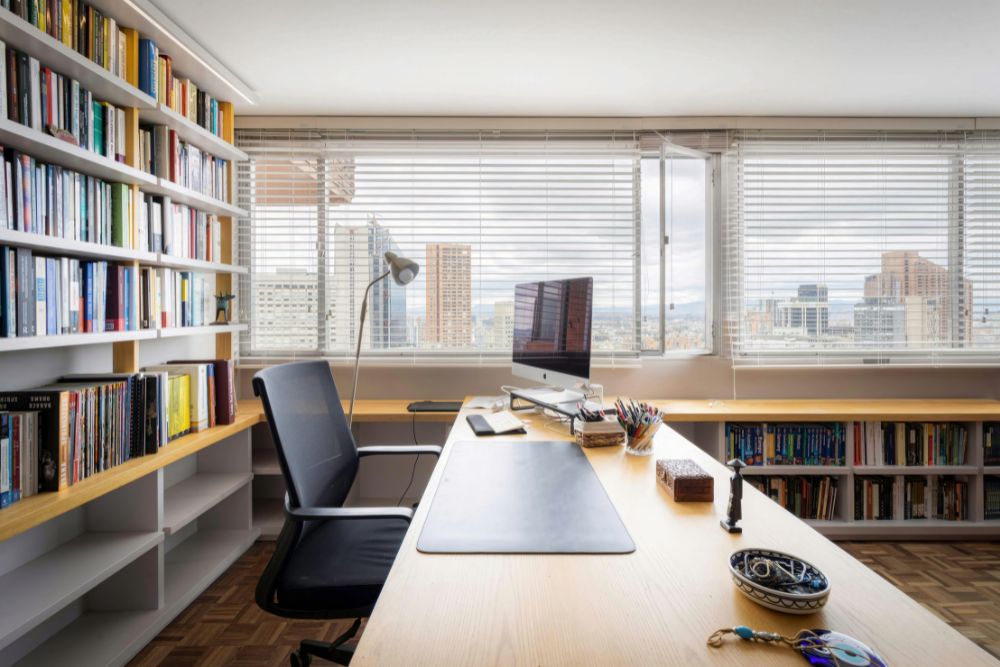
Endless blocks of glass, steel, and sterile office parks that looked the same whether it was 10:00 AM or midnight. That’s the image of the old San Jose. However, if you’ve been in North San Jose recently, you’ve probably felt the change in the air.
The skyline is still crowded with cranes, but they aren’t building more spaces for the 9-to-5 grind. Instead, we’re seeing something more personal.
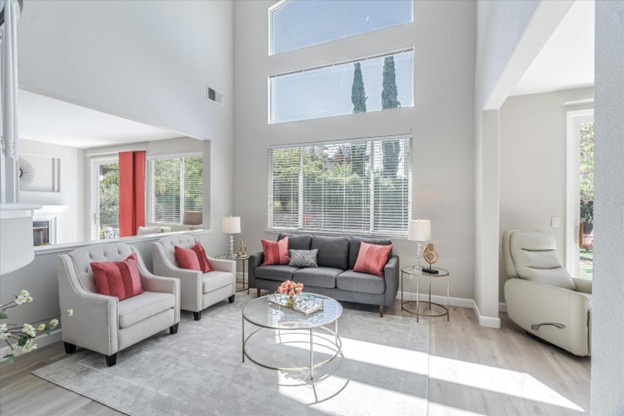
The city is finally trading in its fluorescent lights for kitchen islands and walk-in closets. It’s less about where we work and more about where we actually live.
We’re currently witnessing something intriguing in the San Jose real estate companies. As we move through early 2026, the city is aggressively trading in underused office buildings for high-density residential housing. It’s a radical identity shift that’s fundamentally changing the look and feel of the South Bay.
The $16 Million Gamble on Downtown
San Jose’s downtown has struggled to find its footing post-pandemic. With office vacancy rates still hovering around 20%, the streets haven’t quite regained that pre-2020 energy. But real estate in San Jose isn’t just waiting for workers to come back—it’s inviting them to stay for good.
In a unanimous vote this month, the City Council put some serious money on the table. They’ve launched a massive incentive package aimed at turning those “zombie” offices into apartments.
The breakdown of the deal is pretty straightforward:
- Phase 1: For the first 500 units developers build, the city is waiving 100% of construction taxes and 50% of park fees.
- The goal: To unlock roughly 1500 new homes right in the downtown core.
This isn’t just a nice gesture. By waiving these fees—which can add up to about $16 million for the first few projects—the city is making it financially possible to tackle a major issue.
It’s the construction “nightmare” of retrofitting commercial plumbing and electrical systems for residential use. Most developers and realtors in San Jose, CA, will tell you that it’s often cheaper to tear a building down than to turn an office into a home. These tax breaks are the only thing making the math work.
From Tech Lab to Townhome: The North San Jose Shakeup
While downtown is getting the headlines for tax breaks, North San Jose is seeing some of the largest transformations. For instance, 3550 North First Street was an office pub (formerly occupied by Analog Devices) for years. Now, a developer has filed plans to scrap the two-story office building entirely to make room for 444 new homes!
What makes this project interesting to many real estate agents in San Jose, CA, is the mix:
- 373 affordable apartments (much-needed relief for the local workforce).
- 71 for-sale townhomes for those looking to plant roots.
This project signals that the North First Corridor is shedding its reputation as a lonely stretch of R&D labs and becoming a real neighborhood. It’s a testing ground for whether we can actually integrate living spaces into the heart of the tech sector.
The Reality Check: Is It Enough?
Despite all this movement, San Jose still holds a sobering title this year: the least affordable city in the world for first-time homebuyers. With the median home price sitting at $1.37 million, a single person on an average salary can only afford about 27% of a typical home. It’s a staggering gap that’s on top of many realtors’ minds. While these office conversions are a massive win for the supply side, they face some serious hurdles:
- Not every office building is a candidate for conversion. Older buildings with narrow floorplates are ideal because they allow natural light to reach every unit. Modern, deep-floorplate offices are much harder (and more expensive) to flip.
- Most of what we’re seeing built right now is either high-end luxury lofts or deeply subsidized affordable housing. For the middle-income family, the options are still incredibly slim since they’re “too rich” for subsidies and “too poor” for a $1.4 million mortgage.
What This Means For You
If you’re an investor or a homeowner, the San Jose real estate market over the next decade is going to be far more walkable and vibrant. Properties near these new conversion zones are likely to see a boost in value as the city becomes less of a collection of parking lots and more of a genuine urban center.
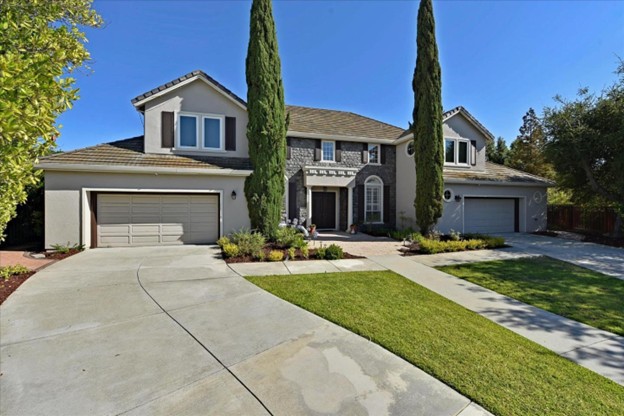
We’re trading empty desks for dinner tables, and while the road to affordability is still uphill, the city is finally clearing a path and reinventing itself in real time. So, this is the best time to watch the experts. Keep an eye on the news and see what top-tier luxury homes San Jose, like TENACITY Realtors, are saying.
FAQs
1. How exactly does an office building become an apartment in San Jose?
Converting offices to apartments in San Jose sounds easy, but it’s tricky. Plumbing and lighting are major hurdles! Offices have one central ‘wet core’ for bathrooms, while apartments need kitchens and bathrooms in every unit. Plus, narrow buildings (40-60 ft wide) work best, so every room gets natural light. That’s why older, thinner buildings are top picks for conversion.
2. Why is the city of San Jose waiving $16 million in fees for real estate development?
The housing crisis in San Jose’s real estate market is critical. Converting offices to homes is cheaper but remains a significant financial risk. San Jose is offering incentives—100% construction tax waiver and 50% park fee cut for 500 units—aiming to spur 1,500 new homes and revitalize downtown.
3. Will these new “conversions” in downtown San Jose actually be affordable?
The city’s plan allows developers to bypass affordable housing requirements in exchange for speedy construction, relying on ‘naturally occurring affordable housing’ with lower rents ($2,600-$3,500).