








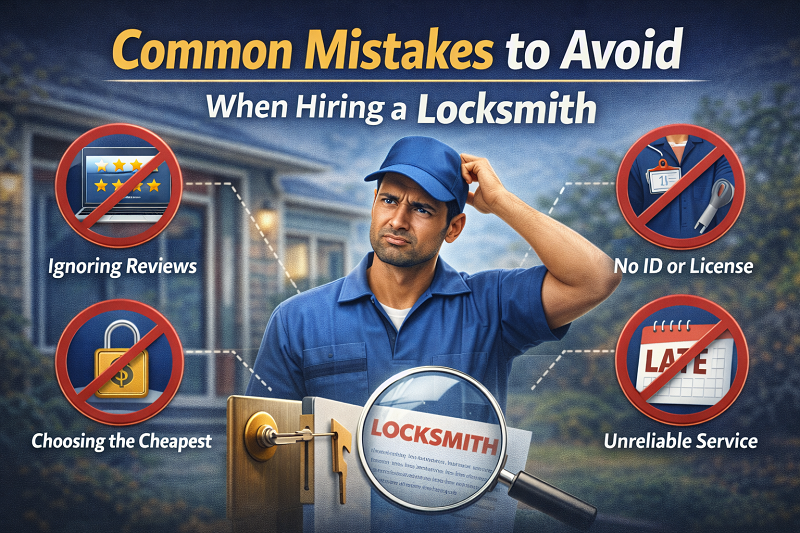
Ever found yourself locked out of your home at 2 AM, desperately scrolling through your phone for help? Have you wondered whether that locksmith quoting $50 is legitimate or a scam waiting to happen? Are you confident you’d know the difference between a skilled professional and someone who might damage your locks?
Choosing the right locksmith isn’t something most of us think about until we’re in a sticky situation. Whether you’ve locked yourself out, need to upgrade your security, or want to replace worn-out locks, finding a trustworthy professional matters more than you might realise. The wrong choice could leave you with damaged property, a lighter wallet, or worse—compromised security.
In this guide, we’ll walk you through the most common blunders people make when hiring a locksmith essendon. You’ll learn how to spot red flags, what questions to ask, and how to protect yourself from dodgy operators. By the end, you’ll feel confident tackling any lock-related emergency without falling into costly traps.
Not Verifying Credentials and Licensing
One of the biggest mistakes people make is assuming every locksmith is properly qualified. In Australia, licensing requirements vary by state, so it’s worth knowing what applies in your area. For instance, locksmiths in New South Wales, Victoria, and Queensland must hold specific licences to operate legally.
What Qualifications Should a Locksmith Have?
A legitimate locksmith should have completed an apprenticeship or formal training. Look for membership in industry bodies like the Master Locksmiths Association of Australasia (MLAA). These memberships indicate ongoing professional development and adherence to ethical standards.
How to Check if a Locksmith is Legitimate
Before booking, verify their licence through your state’s consumer protection or fair trading website. Ask for their licence number upfront—reputable operators won’t hesitate to provide it. If they dodge the question or give vague answers, that’s your cue to look elsewhere.
Warning Signs of Unlicensed Operators
Watch out for locksmith who only accept cash, arrive in unmarked vehicles, or can’t provide a business card. These are classic signs of someone operating under the radar. Unlicensed operators might seem cheaper initially, but they often lack proper insurance, leaving you liable if something goes wrong.
Falling for Suspiciously Low Quotes
We all love a bargain, but when it comes to locksmiths, rock-bottom prices should raise alarm bells. If a quote seems too good to be true, it probably is.
Why Are Some Locksmith Quotes So Cheap?
Some operators advertise impossibly low rates to get their foot in the door—literally. They might quote $30 over the phone, then inflate the price dramatically once they arrive. This bait-and-switch tactic catches countless Australians off guard every year.
Understanding the Bait-and-Switch Tactic
Here’s how it works: you call expecting a simple job, but the locksmith suddenly “discovers” complications. They might claim your lock needs replacing entirely or add mysterious surcharges. Before you know it, that $30 job costs $300.
What is a Reasonable Price for a Locksmith?
In Australia, expect to pay between $80 and $150 for a standard call-out during business hours. After-hours and emergency services typically cost more—around $150 to $250 or higher. If someone quotes significantly below these ranges, proceed with caution.
Failing to Get a Written Quote Upfront
Never let a locksmith start work without a clear, written quote. Verbal agreements are difficult to enforce and leave room for misunderstandings.
How Much Does an Emergency Locksmith Cost?
Emergency call-outs outside regular hours naturally cost more. A genuine professional will explain their pricing structure clearly, including any additional fees for weekends, public holidays, or late-night visits. Don’t be shy about asking for a breakdown.
Hidden Fees to Watch Out For
Be wary of vague charges like “service fees,” “travel costs,” or “diagnostic assessments.” Legitimate locksmiths include these in their initial quote. Ask specifically: “Is this the total price, or should I expect additional charges?”
Questions to Ask Before Work Begins
Before they touch your locks, confirm:
- The total cost, including parts and labour
- Estimated completion time
- Payment methods accepted
- What happens if complications arise
Getting answers upfront protects both parties and prevents awkward disputes later.
Choosing the First Locksmith You Find
When you’re locked out, panic kicks in. It’s tempting to call the first number that pops up on Google, but taking a few extra minutes to compare options pays off.
The Importance of Comparing Multiple Quotes
Even in emergencies, try to get at least two or three quotes. This gives you a baseline for fair pricing and helps identify any outliers—whether suspiciously cheap or unreasonably expensive.
How to Find a Reputable Locksmith Near You
Start with recommendations from friends, family, or neighbours. Failing that, check the MLAA website for accredited professionals in your area. Local community groups on Facebook can also provide honest feedback about tradespeople.
Reading Reviews: What to Look For and What to Ignore
Focus on reviews mentioning specific experiences rather than generic praise. Look for patterns—multiple complaints about hidden fees or unprofessional behaviour are red flags. On the other hand, the occasional negative review among dozens of positive ones shouldn’t automatically disqualify someone.
Not Confirming Response Times
Time matters when you’re stranded outside your home or office. Make sure you understand exactly when help will arrive.
How Long Should a Locksmith Take to Arrive?
Most mobile locksmiths in metropolitan areas can reach you within 30 to 60 minutes. Regional areas might take longer. Ask for an estimated arrival time and whether they’ll call if delayed.
Managing Expectations for Emergency Call-Outs
Peak times—like Friday nights or public holidays—often mean longer waits. If the locksmith can’t give a reasonable timeframe, consider calling someone else.
What to Do While You Wait
Stay visible and safe, especially at night. If you’re locked out of your car, wait in a well-lit area. For home lockouts, a neighbour’s place provides shelter while you wait.
Ignoring Insurance and Guarantees
Insurance might seem like a minor detail, but it’s crucial if something goes wrong during the job.
Is the Locksmith Insured? Why It Matters
Professional indemnity and public liability insurance protect you if the locksmith damages your property or injures themselves on your premises. Without coverage, you could be left footing the bill for repairs or medical expenses.
Do Locksmiths Offer Warranties on Their Work?
Reputable locksmiths stand behind their work with warranties, typically covering parts and labour for a set period. Ask about this before agreeing to any service—it’s a sign of confidence in their craftsmanship.
Protecting Yourself if Something Goes Wrong
Keep copies of quotes, receipts, and any written communication. If a dispute arises, these documents prove invaluable when lodging complaints with consumer protection agencies.
Hiring Based on Price Alone
We’ve touched on suspiciously low quotes, but even moderately priced services aren’t always the best choice. Quality matters just as much as cost.
Quality vs Cost: Finding the Right Balance
A skilled locksmith might charge slightly more but complete the job faster, with better materials, and provide lasting results. Cutting corners to save $50 could mean replacing locks again within months.
Are Cheap Locksmiths Worth the Risk?
Cheap often means inexperienced, uninsured, or using inferior parts. Your home’s security isn’t worth gambling on. Invest in someone who’ll do the job properly the first time.
Not Asking About Experience with Your Lock Type
Not all locks are created equal, and neither are all locksmiths. Make sure your chosen professional has experience with your specific needs.
Residential vs Commercial Locksmith Services
Commercial properties often require different expertise—access control systems, master key arrangements, and high-security locks. Confirm the locksmith handles your type of property.
Specialist Skills: Smart Locks, Safes, and Automotive
Modern smart locks, safes, and car locks demand specialised knowledge. If you’ve got a Tesla or a high-end digital lock, verify they’ve worked with similar systems before.
Can Any Locksmith Open My Car?
Not necessarily. Automotive locksmithing requires specific tools and training. Always ask whether they service your vehicle make and model.
Forgetting to Request Identification on Arrival
This simple step gets overlooked far too often. Before letting anyone near your locks, verify who they are.
What ID Should a Locksmith Show?
A legitimate locksmith should present photo identification, their licence, and a business card. Their vehicle should display company branding, and they should be wearing identifiable uniforms or shirts.
Red Flags When the Locksmith Arrives
Be cautious if they arrive in an unmarked car, can’t produce ID, or seem evasive about their credentials. Trust your instincts—if something feels off, it probably is.
Conclusion
Hiring a locksmith doesn’t have to be stressful, even in emergencies. By keeping a few key points in mind, you’ll avoid the most common pitfalls.
Making the right choice comes down to preparation and a healthy dose of scepticism. Don’t let panic drive your decisions—even a few minutes of research can save you hundreds of dollars and plenty of headaches. Your home’s security deserves a professional who takes the job as seriously as you do.