








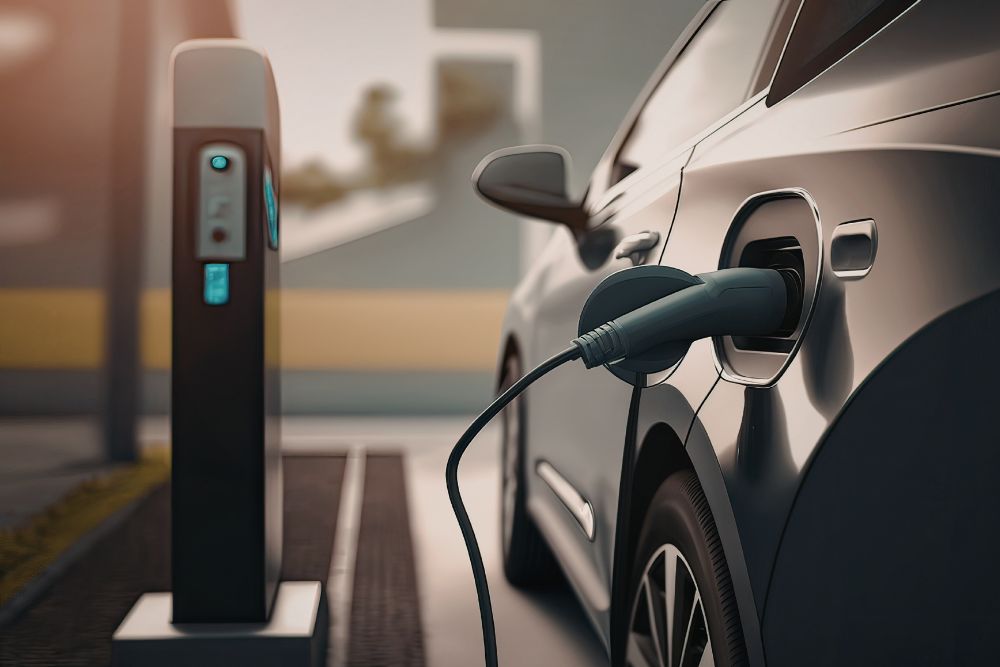
Are you thinking about installing an EV charger at your home or business? Have you considered what could go wrong if the installation isn’t done properly? Perhaps you’re wondering whether your electrical system can even handle the extra load?
These are vital questions that every electric vehicle owner should ask before plugging in their first charge. With EV ownership skyrocketing across Australia, more people are looking to install home charging stations. But here’s the thing—electrical work isn’t something to take lightly. A poorly installed EV charger can lead to electrical fires, serious injuries, or even fatalities. It’s absolutely critical to get it right from the start.
In this guide, we’ll walk you through everything you need to know about safe EV charger Installation Melbourne. From understanding different charger types to navigating Australian safety standards, we’ve got you covered. You’ll learn why licensed electricians are non-negotiable, what hazards to watch out for, and how to keep your charging equipment in top condition. Let’s get stuck into making sure your EV charging setup is both safe and reliable.
Understanding EV Charger Types and Their Safety Requirements
Level 1 vs Level 2 Home Chargers
When it comes to home charging, you’ve got two main options. Level 1 chargers plug into a standard 240V household outlet—the same type you’d use for your kettle. They’re slower, typically adding around 10-15 kilometres of range per hour. Level 2 chargers, on the other hand, require a dedicated circuit and deliver much faster charging speeds.
Level 2 chargers are the popular choice for Australian homes. They use a dedicated 32-amp circuit and can fully charge most EVs overnight. However, this increased power means higher safety requirements. You’ll need proper circuit protection and professional installation.
What Safety Features Should an EV Charger Have?
Quality EV chargers come packed with built-in safety features. Look for units with automatic shut-off capabilities, overcurrent protection, and temperature monitoring. Weatherproofing ratings matter too, especially if you’re installing outdoors. A good charger should have at least an IP65 rating for outdoor use.
Pre-Installation Safety Considerations
Assessing Your Electrical System Capacity
Before any installation happens, your electrical system needs a thorough check-up. Most Australian homes have either a 63-amp or 80-amp main supply. An EV charger can draw up to 32 amps continuously, which is significant.
Can My Home’s Wiring Handle an EV Charger?
This is where a licensed electrician becomes invaluable. They’ll assess your current electrical load, check your switchboard capacity, and inspect existing wiring. Older homes might need switchboard upgrades or rewiring to safely accommodate an EV charger. Don’t skip this step—it’s fundamental to avoiding dangerous overloads.
Choosing the Right Location for Installation
Location matters more than you might think. Consider:
– Proximity to where you park your vehicle
– Distance from your switchboard (shorter runs mean lower installation costs)
– Protection from direct weather exposure
– Adequate ventilation around the charging unit
Electrical Safety Standards and Regulations in Australia
Australian Standards for EV Charger Installation (AS/NZS 3000)
All EV charger installations in Australia must comply with AS/NZS 3000, commonly known as the “Wiring Rules.” This standard covers everything from cable sizing to circuit protection. There’s also AS/NZS 3001 for transportable structures and AS 61851 specifically for EV charging systems.
Do I Need a Permit to Install an EV Charger at Home?
In most cases, yes. EV charger installation typically requires electrical permits and inspections. Your electrician should handle the permit application process. Once complete, you’ll receive a Certificate of Compliance—keep this document safe for insurance purposes.
Compliance Requirements for Residential and Commercial Properties
Commercial installations face additional requirements. These include accessibility standards, load management systems, and potentially metering for cost recovery. Strata properties also have specific rules about installing chargers in common areas or car parks.
Why You Must Use a Licensed Electrician
The Dangers of DIY EV Charger Installation
Let’s be crystal clear: DIY EV charger installation is illegal in Australia and incredibly dangerous. We’re talking about high-voltage systems that can cause:
– Fatal electric shocks
– Electrical fires
– Damage to your vehicle’s battery system
– Voided insurance policies
What Qualifications Should an EV Charger Installer Have?
Your installer should hold a current electrical licence issued by your state’s regulatory body. Many electricians now pursue additional EV-specific training and certifications. Some manufacturers require installers to complete brand-specific training to maintain warranty coverage.
How to Verify Your Electrician’s Credentials
Checking credentials is straightforward. Each state maintains an online register of licensed electricians. In New South Wales, use the Fair Trading website. Victorians can check the Energy Safe Victoria database. Always verify before any work begins.
Common EV Charger Installation Hazards and How to Avoid Them
Electrical Overloads and Circuit Breaker Issues
Overloading occurs when your electrical system draws more current than it can safely handle. This generates heat, potentially causing fires. Proper circuit sizing and dedicated breakers prevent this risk. Your electrician should calculate loads carefully, accounting for other household appliances.
Water Exposure and Weatherproofing Concerns
Water and electricity don’t mix—that’s hardly news. Outdoor installations need weatherproof enclosures and proper drainage. Even garage installations can face moisture issues. Make sure all connections are sealed and the charger carries appropriate IP ratings.
Fire Risks and Prevention Measures
Fire risks come from overheating connections, faulty wiring, or damaged cables. Prevention involves quality materials, proper installation techniques, and regular inspections. Never ignore burning smells or discoloured outlets near your charger.
Is It Safe to Install an EV Charger in a Garage?
Absolutely, garages are actually ideal locations. They provide weather protection and typically sit close to switchboards. Just make sure there’s adequate ventilation and the charger is mounted away from flammable materials. Keep the area around your charger clear and tidy.
Essential Safety Equipment and Protective Devices
Residual Current Devices (RCDs) and Safety Switches
RCDs are life-savers—literally. They detect current imbalances and cut power within milliseconds if a fault occurs. Australian regulations require Type A RCDs or better for EV charger circuits. Some premium chargers have built-in RCD protection.
Surge Protection for EV Chargers
Lightning strikes and power surges can destroy your charger and damage your vehicle. Surge protection devices absorb these spikes before they cause harm. Consider both switchboard-level and point-of-use protection for complete coverage.
Proper Earthing and Grounding Requirements
Effective earthing provides a safe path for fault currents to dissipate. Poor earthing can make metal components live during faults. Your electrician will test earthing resistance and install additional earth stakes if needed.
Post-Installation Safety Checks and Testing
What Tests Should Be Performed After Installation?
Professional installations include comprehensive testing:
– Insulation resistance testing
– Earth continuity verification
– RCD trip time testing
– Load testing under operating conditions
– Visual inspection of all connections
Obtaining Your Certificate of Compliance
Your electrician must provide a Certificate of Compliance (or Certificate of Electrical Safety, depending on your state). This document proves the installation meets all relevant standards. Your insurance company may request this certificate, so file it somewhere safe.
Ongoing Maintenance and Safety Inspections
How Often Should an EV Charger Be Serviced?
Annual inspections are recommended for most home chargers. Commercial installations might need quarterly checks due to higher usage. Your charger’s manual will specify manufacturer recommendations.
Signs Your EV Charger May Have a Safety Issue
Watch out for these warning signs:
– Unusual buzzing or humming sounds
– Burning smells during charging
– Visible damage to cables or connectors
– Tripping circuit breakers repeatedly
– Discolouration around outlets or connections
– Charging interruptions or error messages
If you notice any of these, stop using the charger immediately and call a licensed electrician.
Frequently Asked Questions About EV Charger Installation Safety
Can an EV Charger Be Installed Outside?
Yes, outdoor installation is perfectly safe when done correctly. Use a charger rated for outdoor use (IP65 or higher) and ensure proper weatherproofing of all connections. Position the unit to minimise direct exposure to harsh weather where possible.
Are EV Chargers Safe to Use in the Rain?
Modern EV chargers and vehicle charging ports are designed for wet conditions. The charging connectors have built-in safety interlocks that prevent current flow unless properly connected. That said, avoid standing in puddles while connecting your vehicle—common sense still applies.
What Happens If an EV Charger Overheats?
Quality chargers have thermal protection that reduces charging speed or stops charging entirely if temperatures rise too high. If your charger frequently overheats, something’s wrong. Have it inspected promptly—overheating often indicates installation issues or component failure.
Prioritising Safety for Peace of Mind
Getting your EV charger installation right isn’t just about following rules—it’s about protecting your family, your property, and your investment. We’ve covered a lot of ground here, from understanding charger types to recognising warning signs of potential problems.
The key takeaways are simple: always use a licensed electrician, never cut corners on safety equipment, and keep up with regular maintenance. These aren’t just recommendations—they’re the foundation of safe EV ownership. Australian standards exist for good reason, and compliance protects everyone.
Your journey into electric vehicle ownership should be exciting, not stressful. By prioritising safety from day one, you’re setting yourself up for years of worry-free charging. So go ahead, make the switch to electric with confidence. Just remember—when it comes to installation, safety always comes first. Got questions about your specific situation? Reach out to a qualified electrician who specialises in EV installations. They’ll point you in the right direction and help make sure your setup is as safe as it is convenient.