







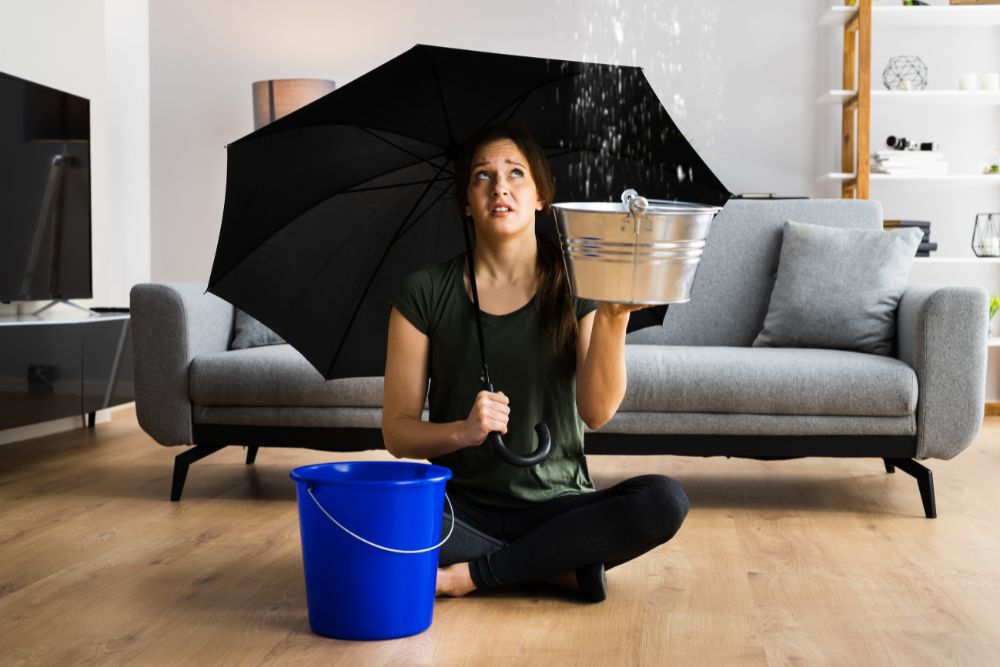
Water damage represents a primary problem for homeowners that they can easily prevent. The process of water intrusion begins with leaking pipes and heavy rainfall, which can create severe structural damage, mold development, and expensive repairs when people fail to address even minor water leaks. The primary method for property protection requires homeowners to implement home improvement projects that create barriers against potential hazards. Homeowners can protect their property from unexpected costs by learning about water entry points in their house and implementing preventive measures.
Why Water Damage Prevention Matters
Initial indications of water damage should not be dismissed because their presence will create permanent damage that affects both the structural integrity of your home and your personal health. The implementation of preventive measures will result in financial savings while creating a secure and pleasant environment for people to live.
Ensure Proper Drainage Around Your Home
Your first defense against water damage, which protects your property, depends on your drainage system, which requires proper maintenance. Cracks in your foundation will develop when water collects around your building, which will eventually compromise its integrity. Your gutters and downspouts must remain clean while they direct water flow at least three feet from your residence. Your yard needs proper grading, which should create a path that directs rainwater away from your home foundation, instead of bringing it toward the foundation. The installation of extensions or underground drainage pipes will improve your ability to redirect water from your property.
Waterproof Key Areas of Your Home
Your home contains specific sections like basements, roofs, and windows, which experience greater risk from water entry. The application of waterproof sealants to basement walls and floors stop moisture from accumulating. You should conduct roof inspections to check for missing shingles and to identify cracks and weak areas that need immediate repair. The process of sealing gaps between doors and windows stops rainwater from entering during storms, which keeps your indoors dry.
Maintain Your Plumbing System
Faulty plumbing systems create the most indoor water damage problems. Small leaks from pipes and faucets, and appliances create hidden dangers that only become evident after they cause major damage. Your plumbing system needs regular inspections to detect any corrosion, dripping, or unusual moisture patterns. The replacement of old pipes together with the installation of high-quality fixtures will decrease the possibility of leaks occurring. You should track your water bill because any sudden increases could show hidden leaks in your system.
Install Smart Leak Detection Systems
Homeowners today use advanced technology to develop effective methods for preventing water damage in their homes. The smart leak detection systems have the ability to detect all types of leaks, including their smallest manifestations, while sending alerts to users before those leaks develop into major problems.
- Detect leaks early and send instant alerts
- Ideal for kitchens, bathrooms, and basements
- Some systems can automatically shut off the water supply
Keep Your Roof and Gutters in Top Condition
Your roof and gutter system act as your home’s primary shield against rainwater. The system needs maintenance because it will develop water intrusion problems. Regular gutter cleaning prevents blockages, which cause overflow problems, while proper downspout direction keeps water away from your foundation. Routine roof inspections help identify damaged shingles, cracks, or weak areas before they turn into major problems.
Use Landscaping to Control Water Flow
Water management around your property depends on strategic landscaping, which serves as a vital organizational tool. Your home needs protection from excess water through the implementation of French drains, correct yard grading, and rain garden installations. The selection of moisture-absorbing plants combined with the decision to plant small trees away from the foundation, which protects the building from structural damage, helps to control water accumulation.
Respond Quickly to Warning Signs
Promptly detecting and dealing with problems can help homeowners avoid costly repairs and extensive damage.
- Look for moisture spots, stains, or peeling paint
- Be aware of any musty smells or mold growth
- Take action to prevent the problem from escalating
Conclusion
Homeowners need to take a proactive approach to protect their properties from water damage and avoid costly repairs. Property owners can achieve significant success through basic drainage maintenance, area waterproofing, plumbing system upgrades, and smart leak detection device installation. Professional water damage restoration services become necessary when damage occurs because they stop additional structural damage while they work to restore your home. Your property will maintain its safety and durability through expert maintenance when you combine preventive measures with scheduled maintenance. Homeowners who stay alert about their property can handle problems quickly, which helps them save money while enjoying a secure home that lasts through many years.