






The backyard can be one of the most fun areas of your house if it’s designed properly. It can be a place to sit back from a long day, eat out, spend time with the family or provide entertainment for visitors. However, developing a beautiful outdoor space is not all about plants and furniture. The layout must be comfortable, attractive, and practical.
The most successful backyard design ideas will make the most of the space that is available, and will also show your style. Even if you have a small patio or a large garden, some well-designed landscaping, some cozy seating, lighting, and storage will make a difference.
Here are some tips on how to make your backyard look inviting and functional for your everyday needs.
Make an Outdoor Comfortable Place to Sit
If you’re looking for a way to make your backyard more meaningful, a seating area can help. It can be a sanctuary for reading, a morning coffee spot, or a place to get together with friends and family.
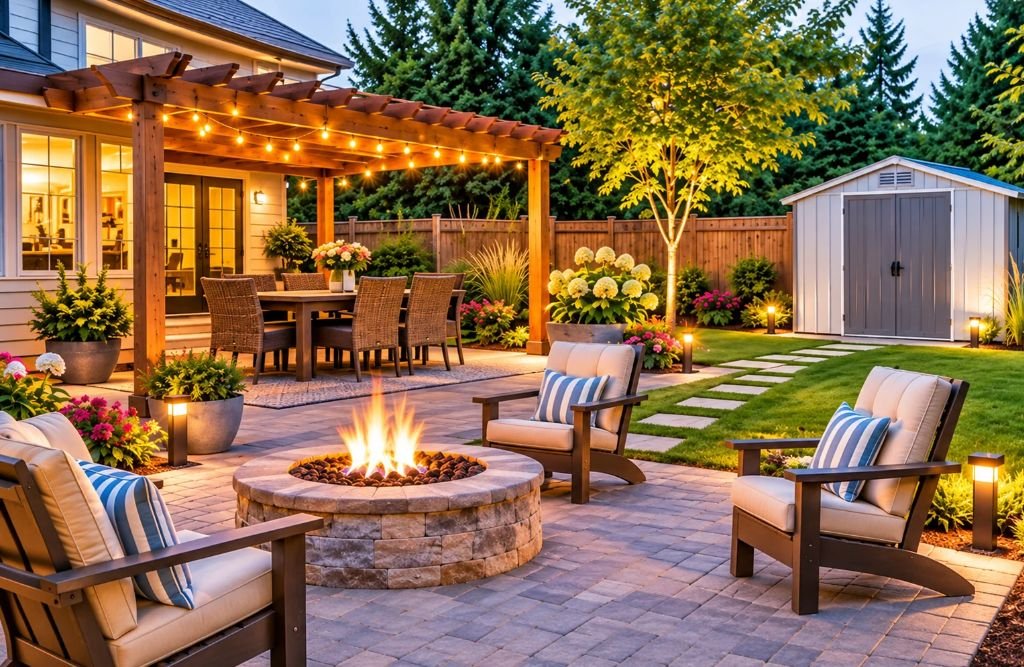
Consider furniture size in your outdoor area. Depending on the space size, a small patio might require just two chairs and a small table, or a larger backyard can have a sectional sofa or an outdoor dining set.
Choose Weather-Resistant Furniture:
Outdoor furniture is subjected to temperature fluctuations, dust, and rain. Choose materials that are right for your climate and maintenance easy.
Try using:
Wicker Furniture or Resin Furniture: Provides a laid-back look and is suitable for outdoor seating areas.
Metal Furniture: They are available in a variety of designs and finishes, and can be made to last a long time if treated with appropriate protective coatings.
Treated wood: Has a natural feel, but may require periodic sealing or maintenance.
Outdoor cushions: Enhance their comfort and add colours and patterns.
Make furniture arrangements to allow for easy mobility. Keep the space as clutter-free as possible with chairs and tables.
Create a Scape of Greenery with Thoughtful Landscaping
Plants add color, texture, and a natural touch to outdoor areas. They can also be used to create distinct zones within your garden without the commitment of permanent structures. When searching for backyard landscaping ideas, take into account a variety of plants that vary in form, color, and height. This adds interest and maintains balance in the design.
Mix Up All the Different Types of Plants:
Plant shrubs at fences, plant flowers at seating areas, and taller plants for privacy. It can be wise to use native plants, as these are best suited to these local conditions and may need less upkeep if established properly.
Here are some additional ways you can introduce:
Raised garden beds: Great for flowers, herbs, and vegetables.
Patio containers: Good for patios and for smaller spaces.
Plants for climbing: May be used to dress up a fence, trellis, or garden wall.
Ground cover plants: Fill in bare spaces and decrease bare soil.
Determine available sunlight, soil type, drainage, and mature size of plants before planting. This helps avoid overcrowding and minimizes plant movements.
Plan an Outdoor Dining Area or Patio
A patio can transform your backyard into a functional space that can be used for various purposes, such as eating, lounging, or entertaining. It also offers a set surface for outdoor furniture.
Patio materials include concrete pavers, natural stone, brick, and outdoor tiles. Select the right finishing color to match the exterior of your home and the type of use you put the space to.
Make the Dining Area Practical:
For people who like to eat outdoors, you can set up a dining table in the best place close to the home. This will make it easier to transport meals and provide them to visitors.
To have a nice dining area:
- Select a table that is suitable for the space available.
- Allow additional space to move chairs.
- Include an umbrella/shade structure for sunny days.
- Have outdoor lighting for nighttime meals.
- Consider easy-to-clean furniture and surfaces.
You can make your backyard seem like a part of your house by making a simple dining area.
Try to Use the Right Word with Text Effects
Outdoor lighting provides better visibility and enhances the outdoor experience after dark. It can also accentuate landscaping elements and assist individuals in navigating safely from one space to another. Use a variety of lights rather than a single bright light.
Layer Your Outdoor Lighting:
- Pathway lights: Help illuminate walkways and garden paths.
- String lights: Add a warm atmosphere around patios and seating areas.
- Wall-mounted lights: Provide useful lighting near doors and outdoor structures.
- Spotlights: Highlight trees, plants, or architectural features.
- Solar lights: Offer a convenient option for suitable sunny locations.
When installing permanent lighting, use outdoor-rated fixtures and adhere to electrical safety guidelines.
Enhance and Improve the Landscape
A backyard can be an unwelcome place to be in hot weather. Shade extends the value of the space and can help keep outdoor furnishings from becoming over-exposed to the sun. When adding a shaded area but not changing the layout, there are several methods.
Select a Shade Option That’s Suitable for Your Space:
A pergola can provide an outdoor seating space and a structure for vines and other plants to grow. A retractable awning can be used for some shade comfort close to the house, and a large patio umbrella would be suitable for smaller seating areas.
Natural shade can also be provided by trees, but there are some factors to take into account before planting, such as growth, root systems, and maintenance. When choosing a shade for a balanced design, make sure that it complements your home’s exterior and existing patio materials. Ensure it is installed correctly and wind-suitably designed.
Ensure Your Backyard Is a Security Safe Haven
Outside areas may have a variety of objects that must be stored frequently, such as gardening tools, lawn equipment, bikes, cushions, or holiday decorations. These items, when left around, can make anything look cluttered, even a lovely backyard. A dedicated storage space is a great way to keep the space tidy without having to compromise on its look.
Think About Using a Storage Shed:
Metal storage sheds are great for garden tools, outdoor equipment, and maintenance supplies. They come in various sizes and can be placed in the appropriate corner of the land.
When selecting a shed, remember to take into account:
- What equipment to store and the amount of it to store.
- Space and site constraints.
- Access to the door and space for moving larger items.
- Protection of roof and walls for local weather.
- Moisture control and ventilation.
Alternatively, lines of plants around the shed or a colour to match the home and fence can spruce up the look of the storage area. Cushions, toys, and other items that are used often can be kept at outdoor benches with concealed compartments or weather-proof deck boxes for smaller storage requirements.
Design a Garden Path
The landscape has a more organized appearance, and a pathway connects the various areas of the backyard. It can lead a visitor into a garden, sitting area, or storage area from the patio. Various materials, including stepping stones, gravel, brick, and pavers, are all suitable, depending on the overall design.
When planning a path:
- Make it wide enough to move around in comfortably.
- Select a surface that has good grip.
- Good drainage to prevent water from building up.
- Employ soft curves when they are appropriate.
- Include edge planting or lighting.
A pathway doesn’t have to be all across the yard. Often, just a short walkway from one usable space to another can help to enhance the layout.
Incorporate Your Own Style, But Not Too Much
When designing your backyard, use decorative elements to make it feel like it’s a part of your home and personal taste. But an excess of accessories can make the room feel cluttered and harder to care for.
Select some items to highlight in a design. Outdoor rugs, decorative planters, weather-proof artwork, and small water features can enhance the space without dominating it.
Additionally, one could create a focal point, for example, a fire pit, a feature tree, or a simple garden arrangement. Ensure that fire features are installed and used in accordance with local fire safety codes and regulations, including a suitable distance from buildings and plants.
Plan for Easy Maintenance
A beautiful backyard should also be easy to manage! When designing, consider the time and effort needed to sustain the plantings, furniture, pathways, and storage areas. Plant plants for your climate and use long-lasting outdoor products, and maintain access to drainage. Plan the garden layout and equipment to make cleaning and upkeep easy.
If time is limited, easy landscaping tips for the backyard include using native plants, garden boundaries, and easy-maintenance ground covers to decrease the amount of maintenance.
Wrapping Up
An easy backyard doesn’t have to be a costly renovation or a complicated design. Ideas for your backyard involve thinking about the use of the space, as well as functionality and style.
Use comfortable chairs, provide appropriate greenery, enhance lighting, and provide storage and eating spaces. By planning just a little, you can repurpose your backyard into a pleasant outdoor area that is a good-looking and functional place to be, while still being a low-maintenance space.