




Have you ever watched months of hard work turn to waste because your hay storage wasn’t up to scratch? What if you could choose a material that truly stands the test of time against Melbourne’s unpredictable weather? And how do you know which option gives you the best bang for your buck?
Choosing the right material for your hay shed isn’t just about aesthetics or ticking a box. It’s about protecting your valuable fodder from moisture, pests, and the harsh Australian elements. A poorly chosen material can lead to spoiled hay, structural damage, and costly repairs down the track. For Melbourne farmers, this decision carries even more weight given Victoria’s variable climate.
In this guide, we’ll walk you through the top five materials for building durable hay sheds melbourne. You’ll discover the pros and cons of each option, learn which suits Melbourne’s conditions best, and get practical tips for making your investment count. Whether you’re building from scratch or upgrading an existing structure, this information will help you make a confident, informed choice.
Colorbond Steel: The Australian Gold Standard
Why Is Colorbond So Popular for Hay Sheds in Melbourne?
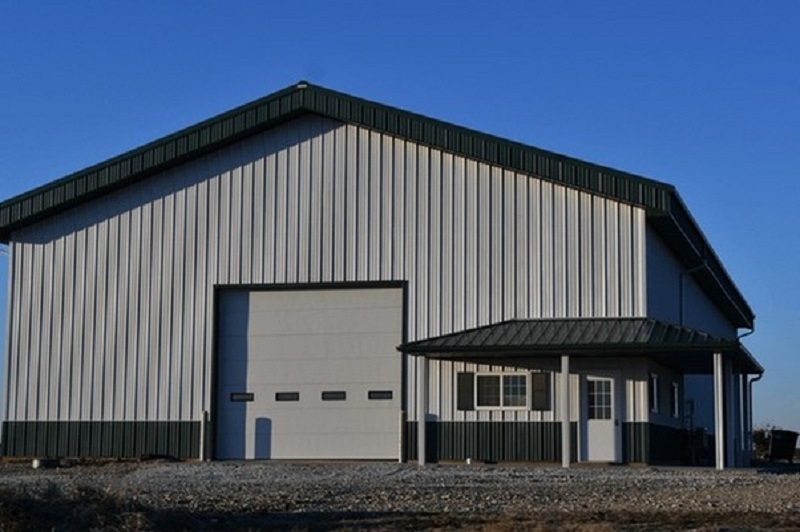
Walk around any rural property in Victoria and you’ll spot Colorbond steel everywhere. There’s a good reason for this. Colorbond has earned its reputation as the go-to material for Australian farm buildings, including hay sheds in Melbourne and surrounding areas.
This Australian-made product features a steel base with a metallic coating and a baked-on paint finish. The result? A material that handles our unique climate brilliantly. It resists chipping, peeling, and cracking far better than standard painted steel options.
Benefits of Colorbond for Rural and Farm Storage
The advantages stack up quickly. Colorbond reflects heat effectively, keeping your hay cooler during those scorching summer months. It’s also termite-proof, which is a massive plus when you’re storing organic material. The colour range means your shed can complement your property’s look whilst remaining functional.
Plus, Colorbond requires minimal upkeep. An occasional wash is all it needs to maintain its appearance and protective qualities.
How Long Does a Colorbond Hay Shed Last?
When properly installed and maintained, a Colorbond hay shed can last 30 to 50 years. Some even exceed this with excellent care. This longevity makes it a sound investment for farmers looking at long-term value.
Galvanised Steel: Strength and Corrosion Resistance
What Is the Difference Between Galvanised Steel and Colorbond?
Galvanised steel and Colorbond share a common ancestor, but they’re not identical. Galvanised steel is coated with zinc to prevent rust, giving it that distinctive silver appearance. Colorbond takes this further by adding additional protective layers and colour.
Think of galvanised steel as the no-frills, workhorse option. It lacks the aesthetic appeal of Colorbond but delivers serious durability at a lower price point. Many farmers prefer this straightforward approach.
Best Applications for Galvanised Steel Hay Sheds
This material shines in situations where function trumps form. If your hay shed sits away from the main homestead, galvanised steel makes perfect sense. It’s particularly popular for:
- Large-scale storage facilities
- Budget-conscious builds
- Properties where appearance is secondary
- Temporary or relocatable structures
Maintenance Requirements You Should Know
Galvanised steel isn’t completely maintenance-free. Over time, the zinc coating can wear, especially in coastal areas or highly polluted environments. Regular inspections help catch any issues early. Touching up scratches promptly prevents rust from taking hold.
Zincalume: Lightweight Yet Incredibly Tough
Is Zincalume Better Than Galvanised Steel for Hay Storage?
Zincalume combines zinc, aluminium, and silicon in its coating. This blend offers superior corrosion resistance compared to traditional galvanised steel. It’s roughly two to four times more resistant to corrosion in most environments.
For hay storage specifically, Zincalume’s reflective properties help regulate internal temperatures. This matters when you’re trying to prevent moisture buildup that can damage your hay.
Cost Considerations for Melbourne Farmers
Zincalume typically costs more than basic galvanised steel but less than Colorbond. It sits comfortably in the middle ground, offering enhanced performance without the premium price tag. For Melbourne farmers watching their budget, this balance often hits the sweet spot.
Climate Performance in Victoria’s Variable Weather
Melbourne’s weather throws everything at us—scorching heat, heavy rain, occasional frost, and strong winds. Zincalume handles these variations admirably. Its thermal performance means less expansion and contraction, reducing stress on the structure over time.
Timber Frames with Steel Cladding: A Hybrid Approach
When Does a Timber-Steel Combination Make Sense?
Sometimes the best solution combines multiple materials. Timber frames with steel cladding offer a unique blend of traditional strength and modern protection. This approach works particularly well when you want specific aesthetic qualities or when local building requirements favour timber construction.
The timber provides excellent structural integrity and natural insulation properties. Meanwhile, the steel cladding protects against weather and pests. Together, they create a structure that’s both functional and visually appealing.
Pros and Cons for Hay Storage Applications
The advantages include:
- Natural insulation from timber
- Aesthetic warmth and character
- Flexibility in design
- Strong structural performance
However, there are drawbacks to consider:
- Higher initial construction costs
- Timber requires treatment and maintenance
- Potential pest vulnerability if not properly treated
- More complex building process
Sourcing Sustainable Timber in Australia
Australian plantation timber offers an environmentally responsible choice. Look for suppliers certified by organisations like the Forest Stewardship Council. Hardwoods like ironbark or spotted gum provide exceptional durability, though they come at premium prices.
Aluminium: The Low-Maintenance Alternative
Is Aluminium Strong Enough for Large Hay Sheds?
Aluminium often gets overlooked for agricultural buildings, but it deserves consideration. While lighter than steel, modern aluminium alloys provide impressive strength-to-weight ratios. For smaller to medium-sized hay sheds melbourne, aluminium performs admirably.
Larger structures may require additional engineering to compensate for aluminium’s lighter nature. Wind bracing becomes particularly important in exposed locations.
Long-Term Value and Lifespan Expectations
Aluminium naturally resists corrosion without additional coatings. This means virtually zero rust issues throughout its lifespan. Expect 40 to 50 years of service with minimal maintenance required.
The initial cost sits higher than steel options, but the reduced maintenance offsets this over time. It’s a classic case of paying more upfront for long-term savings.
How to Choose the Best Material for Your Hay Shed
What Size Shed Do I Need for Hay Storage?
Calculate your storage needs based on your typical hay volume plus a buffer for good years. As a rough guide, allow about 2.5 cubic metres per large round bale. Don’t forget to factor in access space for machinery and airflow requirements.
Factors Specific to Melbourne’s Climate and Conditions
Melbourne’s climate demands materials that handle moisture, heat, and wind effectively. Consider:
- Coastal proximity (salt spray accelerates corrosion)
- Prevailing wind directions
- Annual rainfall patterns
- Temperature extremes in your specific area
How Much Does It Cost to Build a Hay Shed in Australia?
Costs vary significantly based on size, materials, and site conditions. Expect anywhere from per square metre for a basic structure. Premium materials and complex designs push this higher. Always get multiple quotes and check references before committing.
Making the Right Investment for Your Property
Choosing the right material for your hay shed comes down to balancing durability, cost, and suitability for your specific situation. Colorbond remains the premium choice for those wanting longevity and aesthetics. Galvanised steel and Zincalume offer excellent value for budget-conscious farmers. Timber-steel hybrids suit those wanting character and warmth, while aluminium appeals to those prioritising low maintenance.
Your decision should factor in Melbourne’s variable climate, your budget constraints, and your long-term plans for the property. Remember, a hay sheds is a significant investment that protects an even more valuable asset—your fodder supply.
Take your time with this decision. Visit existing structures if possible, speak with local farmers about their experiences, and consult with reputable builders who understand hay storage requirements. The right choice now will serve you well for decades to come. Your future self will thank you for making a thoughtful, well-researched decision today.