





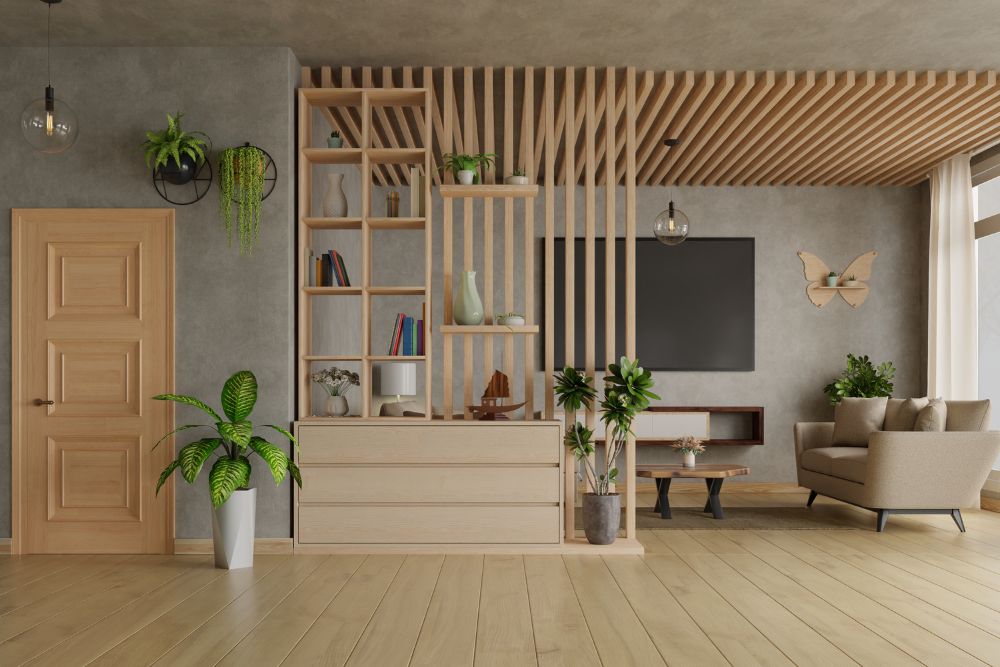
Interior design is not just a matter of laying the pieces of furniture or matching colors. It is the consideration of spaces to ensure that they are practical, comfortable and appealing to the eye. The tiniest details in a room, on lighting, layout, etc. determine the way people interact and feel about the surrounding environment. This is why a question arises; what is interior design, and why does it matter in contemporary houses and offices.
What Is Interior Design and Why Does It Seem So Interesting
The practice of designing interiors to help in maintaining lifestyle, productivity and emotional comfort is known as interior design. Space planning, color harmony, materials, lighting, and furniture placement are some of the aspects that designers study to come up with balanced interiors. The discipline is very stimulating as it is a mix of creativity and application to life. No one space is similar, and thus each project is a challenge and an opportunity to make a difference between ordinary spaces and meaningful environments.
Interior design can be interesting to people as it provides:
- Space to be a creative freedom of expressing personality.
- Useful resolutions that enhance comfort and functionality.
- Constant color, texture, and technological trends.
- The possibilities to combine art and ordinary life.
These aspects render interior design artistic and practical, and this keeps the homeowners and professionals equally involved.
Creating Natural Seamless Interiors
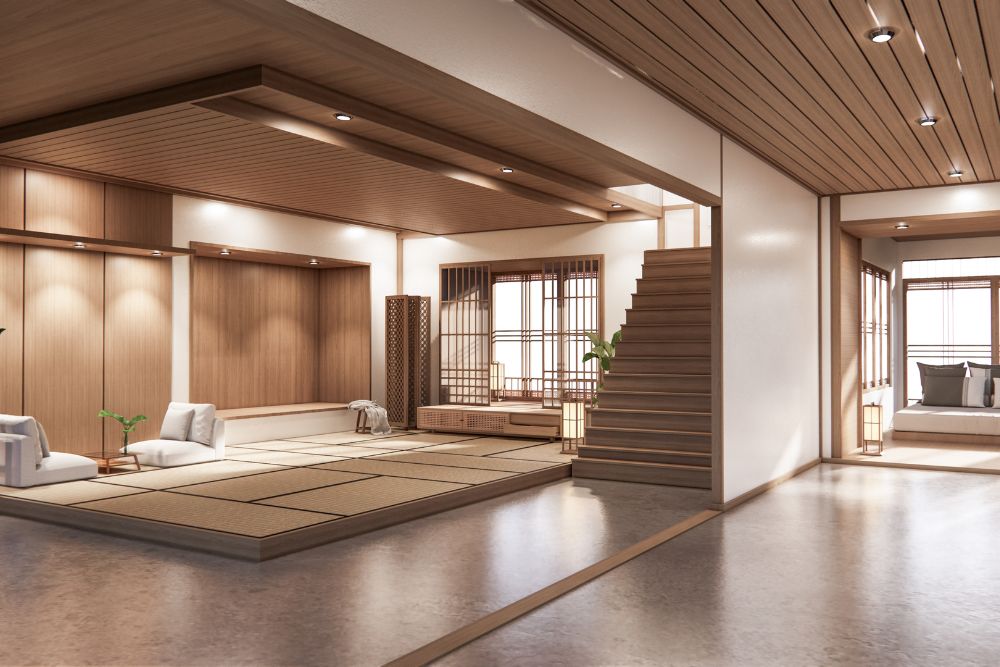
A flowing interior is not imposing or cluttered. Rather, all elements flow in a smooth sequence. To create such a balance, the color palette, materials, and flow of layout are to be consistent. The coordination of textures, aligned furniture and open pathways contributes to the calmness and orderliness of spaces.
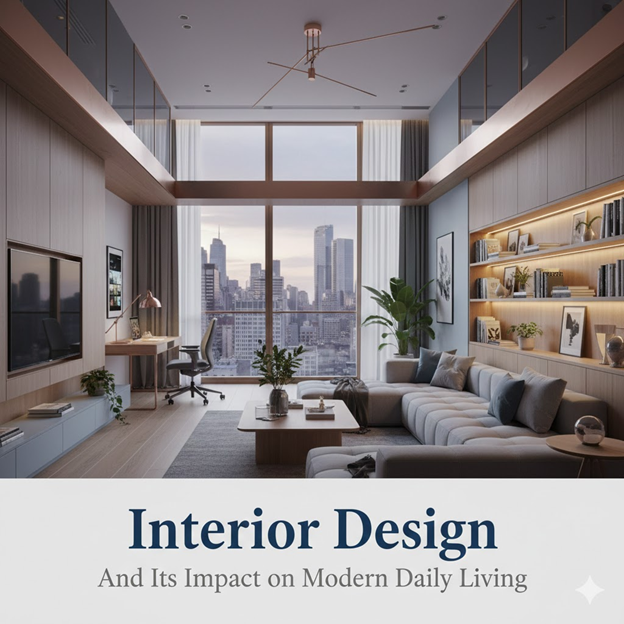
To plan smooth interiors successfully:
- Apply a sparse color scheme in the related rooms.
- Keep comparable transitions of the flooring or material.
- Select the furniture according to the size of the room.
- Minimise visual clutter to achieve cleanish look.
- These principles are adhered to, and interiors are not overwhelming.
The Modern Living and Smart Home Interior Design
Interior planning has been embraced by technology. Smart interior design marries comfort to the automation process where lighting, temperature, and security follow a daily routine. Spaces are also kept up to date, with the use of hidden wiring, smooth control panels, and voice-controlled mechanisms, without disturbing aesthetics.
This is a strategy that aims at convenience and efficiency. The designers do not design noticeable devices throughout the environments but craft technology to be unobtrusive on walls, ceilings, and furniture. The outcome is a house that is not complicated but progressive.
The role of Interior Design on Mental Health
The relationship between the environment and the emotional health is great. The natural light can make a person brighter and the room can cause stress when cluttered. The harmonious use of colors, smooth surfaces, and harmonious designs make individuals feel at ease and concentrated.
Interior design helps in mental health by:
- Promoting the flow of natural light and air.
- Vivid colors such as soft neutrals or soft greens.
- Providing spaces to sleep and meditate.
- Lessening unnecessary distractions in terms of objects.
- Considerate interior can hence help in day to day comforts and emotional wellness.
- The Question of how to become a more competent interior designer.
It does not necessarily mean that one needs to be trained in order to improve interior design skills. A significant role is taken by observation, practice, and curiosity. Experience with real spaces, trial and error in layout and knowledge of how people use rooms can help in gaining confidence.
The principles of learning the fundamentals of design like proportion, contrast, rhythm, and harmony are useful in making more potent results. Design knowledge is also defined by maintaining pace with the new materials and environmental-friendly solutions.
Commercial Interior Design That is Efficient
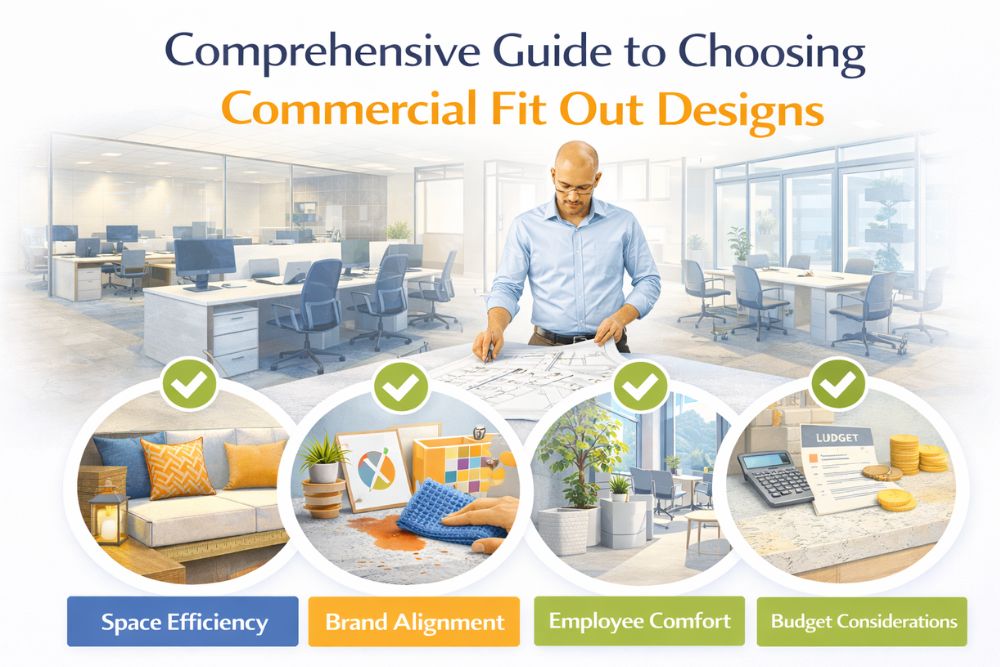
Offices, stores, and restaurants are a commercial world that has to have a different design approach as homes. The primary key is the functionality plus brand identity. The layout planning should reflect on movement, productivity as well as customer experience.
Easy seats, good lighting, and easy aisles enhance usability. Meanwhile, the business personality is expressed in colors, textures and signage. An effective commercial interior design can enhance satisfaction of the staff and give a good impression to the visitors.
The Reflexive Mirrors in Interior Design
Mirrors are strong design elements. They reflect light, give an illusion of space and also add decorative value without consuming a lot of space. Mirrors are also useful in small rooms since they are larger and more illuminated.
The natural light is usually dispersed with mirrors placed by designers opposite the window. The artistic focal points may also be decorative frames. Mirrors do not only add beauty, but also utility when they are used in moderation.
Environmental Lighting: The Art of Interior Designers
Lighting determines the look of colors, the size of a room, and the comfort of the occupants of that room. The interior designers mix various layers of lights and add depth and flexibility.
Typical lighting strategies are:
- General lighting to brighten the room.
- Reading or working task lights.
- Lighting of accent to show up artwork or textures.
- Warm or cool colors to suit room purpose.
Balanced lighting makes interiors welcoming instead of being ordinary, hence it is one of the most significant aspects of design.
Final Thoughts
Decoration is not the only thing about interior design. It determines the way people live, work and feel on a daily basis. Whether it is a smooth design or intelligent technology, whether it is in terms of mental health or business, considerate design makes it more functional and comfortable. Even the simplest features of mirrors and lights can turn the space experience of a space altogether.
The interior design will be a crucial aspect of the creation of environments that will help modern living in significant and sustainable ways as the living areas and workplaces keep changing.