







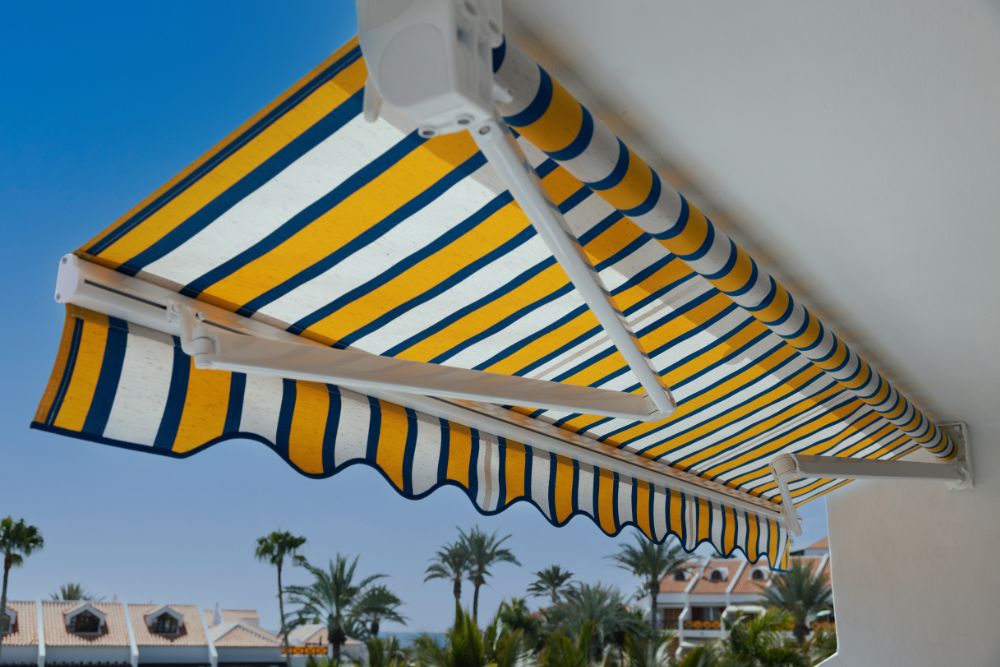
The right awning can turn a sunny corner into a weatherproof retreat. Beyond providing shade, awnings control glare, protect furniture, and extend the usability of patios, balconies, and outdoor living areas. The choice of material—whether fade-resistant fabric, waterproof canvas, or a reinforced metal frame—directly affects durability, maintenance, and long-term performance. Selecting wisely ensures your awning not only enhances comfort but stands strong against sun, rain, and daily wear.
The true measure of an awning is not how it looks on day one, but how reliably it performs under repeated exposure to sun, wind, and rain. That performance is shaped almost entirely by the materials used in its construction. From fabric composition to structural framing, material quality determines durability, weather resistance, and long-term reliability. For homeowners and commercial property owners alike, selecting the right materials—especially when investing in a waterproof retractable awning—ensures consistent performance, reduced maintenance, and dependable protection in changing conditions.
Why Material Selection Is Central to Awning Effectiveness
The effectiveness of an awning depends largely on what it is made from. Whether you are selecting a waterproof retractable awning or a fixed installation, understanding material choices helps ensure better protection, longevity, and visual consistency. Each component—fabric, frame, and finishing—plays a distinct role in overall performance.
How Awning Materials Affect Longevity and Reliability
Material selection directly affects how an awning performs in everyday conditions. Weather exposure, mechanical movement, and long-term wear all place demands on the materials used.
Key considerations include:
- Resistance to rain, UV exposure, and temperature changes
- Structural strength without excessive weight
- Ease of cleaning and ongoing maintenance
- Colour stability and surface finish retention
Well-chosen materials reduce operational issues and extend service life.
Fabric Materials Used in Modern Awnings
Fabric is the most visible and functional element of an awning, and modern manufacturing has significantly improved performance standards across all material types.
-
Acrylic Fabric
Acrylic is widely used due to its balance of durability and appearance. It is solution-dyed, meaning colour pigments are embedded during production rather than applied later. This process delivers strong UV resistance, maintains breathability to reduce heat build-up, and ensures long-lasting colour retention. Acrylic fabrics are often treated with protective coatings to enhance water resistance and extend service life.
-
Polyester Fabric
Polyester awning fabrics are valued for their strength and flexibility, making them suitable for a wide range of applications. They offer high tensile strength in a lightweight construction and provide a cost-effective performance option. To improve weather protection, polyester fabrics are typically coated, as uncoated polyester offers limited water resistance on its own.
-
PVC-Coated Fabric
PVC-coated fabrics are engineered for full weather protection with minimal permeability. They provide complete waterproofing, feature a smooth surface that allows for easy cleaning, and offer high resistance to mould and airborne pollutants. This material is commonly selected for installations where consistent and reliable rain protection is essential.
Waterproofing and Protective Coatings
Fabric performance is enhanced through specialised coatings applied during manufacturing.
Water-Repellent Treatments
These treatments allow water to bead and run off the surface rather than soak through.
UV Protective Layers
UV inhibitors reduce fabric degradation and help maintain colour consistency.
Anti-Fungal and Anti-Pollution Finishes
These finishes prevent organic growth and staining, supporting long-term cleanliness and hygiene.
Midway through material selection, many buyers prioritise fabrics suitable for a waterproof retractable awning because coatings directly affect usability during changing weather conditions.
Frame and Structural Materials
The frame provides essential support for fabric tension and plays a critical role in safe operation, particularly in retractable awning systems where stability and movement must remain precise.
Aluminium Frames
Aluminium is the most common frame material due to its excellent strength-to-weight ratio. It offers strong corrosion resistance, allows for lightweight operation, and maintains structural stability under load. Powder-coated finishes are often applied to further improve durability while enhancing the overall appearance of the awning.
Steel Components
Steel is sometimes used in load-bearing sections where additional strength is required. While it provides superior structural support, steel is heavier than aluminium and must be treated with protective coatings to prevent corrosion. For this reason, steel components are typically reserved for concealed or reinforced areas rather than exposed frame elements.
Hardware and Mechanical Components
Beyond fabric and frames, smaller components influence reliability.
These include:
- Stainless steel fasteners
- Tension springs and arms
- Bearings and joint assemblies
Using corrosion-resistant metals reduces mechanical wear and ensures smooth operation over time.
Colour, Finish, and Aesthetic Treatments
Material choice also affects visual integration with surrounding architecture.
Factors to consider:
- Light-reflective vs heat-absorbing colours
- Matte versus gloss fabric finishes
- Powder-coated frame colours for consistency
These elements contribute to both performance and appearance without affecting core functionality.
Maintenance Implications of Different Materials
Material selection has a direct impact on long-term upkeep requirements and overall ownership costs. Smooth PVC surfaces are particularly easy to maintain, as they resist dirt accumulation and require only minimal cleaning. Breathable fabric materials benefit from periodic rinsing to prevent the build-up of dust and airborne pollutants, helping preserve their appearance and performance. Frame components with high-quality coatings are more resistant to chipping and fading, reducing the need for frequent touch-ups. Lower maintenance demands contribute to sustained performance, improved durability, and reduced lifetime costs over the lifespan of the awning.
Closing Remarks
Awnings perform best when materials are selected with purpose rather than appearance alone. Fabric composition, protective coatings, and frame construction each determine how well an awning resists weather, operates smoothly, and maintains its condition over time. Understanding these materials allows for more informed decisions and fewer compromises in performance. Whether prioritising durability, ease of care, or full weather protection, material quality remains central. A well-designed waterproof retractable awning combines advanced fabrics with robust structural components, ensuring reliable protection and long-term value without unnecessary maintenance burdens.