









Security systems have become an essential part of modern life. Whether you’re safeguarding your home or business, they provide protection from potential threats like theft, vandalism, and more. With the increasing need for security in our fast-paced world, these systems have evolved into highly advanced and integrated solutions, offering peace of mind and enhanced safety.
In this guide, we’ll take an in-depth look at different types of security systems, how they work, their benefits, and tips for choosing the right system for your needs.
Types of Security Systems
Understanding the types of security systems available is the first step in selecting the right one for your property. These systems vary based on the type of protection you need, whether it’s for your home, business, or a combination of both.
Home Security Systems
Home security systems are designed to protect residential properties. They can be simple or highly sophisticated, depending on the level of security you desire. Key components often include:
-
Burglar Alarms: These are triggered when unauthorized access is detected, typically through door/window sensors or motion detectors.
-
Surveillance Cameras: High-definition cameras provide live footage and recorded video to monitor activities around your home. They’re especially useful for catching intruders in the act.
-
Motion Detectors: These sensors detect movement and can trigger an alarm or activate lights when someone enters your property.
-
Entryway Sensors: Installed on doors and windows, these sensors alert you when a door or window is opened or tampered with.
-
Video Doorbells: These allow you to see and communicate with visitors at your door via your smartphone, even when you’re not home.
-
Panic Buttons: These can be placed in strategic locations within your home. When pressed, they alert the authorities for immediate assistance.
-
Glass-Break Sensors: These sensors detect the sound of breaking glass and immediately notify you if a window is shattered.
-
Smart Smoke and Carbon Monoxide Detectors: These not only detect smoke or carbon monoxide but also send alerts to your smartphone, enabling you to act fast.
Business Security Systems
For businesses, security systems are more complex due to the larger scale and the need for multiple points of access. Some key features include:
-
Access Control Systems: These limit access to specific areas of the building using keycards, biometric scanners, or PINs, ensuring that only authorized personnel can enter certain locations.
-
Video Surveillance: Much like home security, businesses use surveillance cameras to monitor all areas of the premises, helping to deter crime and monitor employee behavior.
-
Intrusion Detection Systems: These systems use a combination of sensors, alarms, and monitoring to detect unauthorized access or attempts to breach the premises.
Smart Security Systems
With the rise of the Internet of Things (IoT), smart security systems are transforming how we secure our homes and businesses. These systems offer greater flexibility and convenience, integrating with other smart home devices like lights, thermostats, and even voice assistants. Notable features include:
-
IoT-connected Security Devices: These devices can be controlled remotely through apps, allowing users to manage their security systems from anywhere in the world.
-
Integration with Smart Home Devices: Many security systems now integrate seamlessly with devices such as Amazon Alexa or Google Assistant, allowing you to control and monitor your security systems using voice commands.
How Security Systems Work
Security systems operate through a network of interconnected devices, including cameras, sensors, alarms, and control panels. These components communicate with each other to ensure full coverage of the premises. When a sensor detects activity or a potential threat, it triggers the alarm, and depending on the system’s setup, it may alert a monitoring center, send an alert to your phone, or even contact the authorities.
The key to a successful security system is seamless communication. For instance, motion detectors work in conjunction with cameras to ensure that any detected movement is captured on video. Similarly, video doorbells allow you to monitor visitors while receiving instant alerts when someone is at your door.
Benefits of Security Systems
Investing in a security system provides numerous advantages, not just in preventing crime but also in providing peace of mind for homeowners and business owners alike.
Protection from Theft, Break-ins, and Vandalism
The primary benefit of a security system is the protection it offers from crime. By deterring potential burglars, security systems prevent theft and vandalism, keeping your property safe.
Enhanced Surveillance and Monitoring
With surveillance cameras and motion detectors, you can keep an eye on your property 24/7. This provides an added layer of security and ensures that you’re always aware of what’s happening.
Remote Monitoring Capabilities
One of the biggest advantages of modern security systems is the ability to monitor your property remotely. Whether you’re on vacation or at work, you can check in on your home or business through a smartphone app or web portal.
Peace of Mind and Insurance Benefits
Knowing that your property is being monitored gives you peace of mind. In some cases, installing a security system can also result in lower home insurance premiums, as insurers may offer discounts to policyholders with a security system.
Increased Property Value
Properties equipped with security systems are often more attractive to potential buyers. A well-integrated security system can even increase the resale value of your home or business.
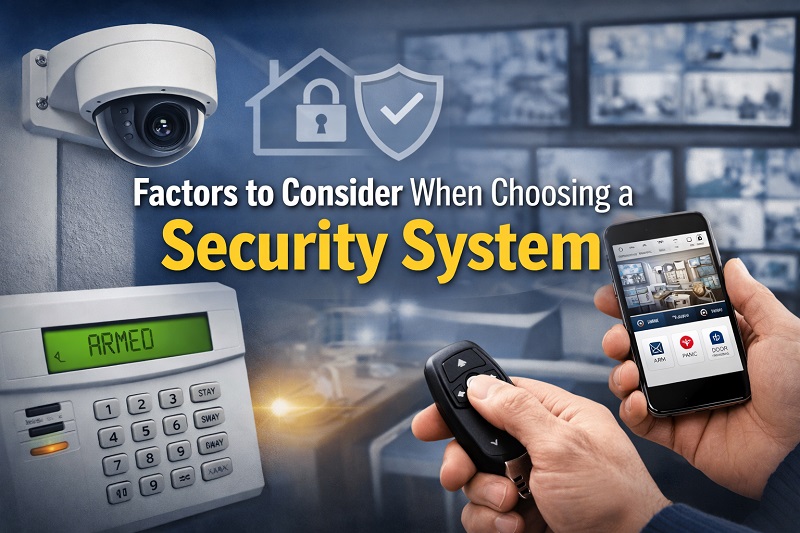
Factors to Consider When Choosing a Security System
Choosing the right security system is essential to ensuring that your property is adequately protected. Consider the following factors:
Type of Property
Security needs for homes and businesses can differ. Homes typically require more personal protection and ease of use, while businesses may need more advanced systems like access control or video surveillance.
Budget and Affordability
The cost of a security system can vary widely, depending on the level of protection you need. It’s essential to balance your budget with the features you need. Consider installation fees, monthly monitoring costs, and ongoing maintenance when planning your budget.
Customizability and Scalability
Your security system should be adaptable to your specific needs. Ensure that the system can be upgraded or expanded as your security needs evolve.
Professional Monitoring vs. Self-Monitoring
Professional monitoring provides 24/7 oversight of your property, whereas self-monitoring means you manage alerts and notifications. Consider which option best fits your lifestyle and needs.
Technology Compatibility
If you already use smart home devices, ensure that your security system can integrate with them. This integration makes managing your home’s security even easier.
Installation and Maintenance
Professional vs. DIY Installation
Professional installation ensures that your system is set up correctly and thoroughly tested. DIY installation may be more affordable but could leave room for errors if not done properly.
Maintenance and System Upgrades
Security systems require regular maintenance to ensure that they are functioning correctly. Regular upgrades and software updates will ensure that your system stays ahead of new security threats.
Comparing Security System Brands
There are many well-known security system brands on the market, each offering unique features and services. Some of the most popular brands include:
-
ADT: Known for providing professional installation and 24/7 monitoring.
-
SimpliSafe: Offers affordable DIY installation with customizable packages.
-
Ring: Popular for its video doorbells and home security cameras.
-
Arlo: Specializes in high-definition security cameras.
-
Abode iota: An all-in-one smart security system that integrates with other smart devices.
Each brand has its strengths, so it’s essential to choose one based on your specific needs.
Cost of Security Systems
The cost of a security system depends on several factors, including the type of system, installation fees, and ongoing monitoring costs. On average, you can expect to pay anywhere from $200 to $1,500 for a basic home security system, with professional monitoring fees ranging from $15 to $50 per month.
5 Common Fees to Consider
-
Installation charges: Whether professional or DIY, installation can come with a one-time cost.
-
Monthly monitoring fees: Typically charged for 24/7 monitoring services.
-
Equipment upgrades: Regular upgrades to cameras, sensors, and other components.
-
Service calls: Fees for maintenance or troubleshooting.
-
Smart home integration: Extra charges for integrating with smart home devices.
Smart Security Systems for 2026
As we look to the future, smart security systems continue to grow in popularity. These systems offer greater convenience, flexibility, and remote control.
The Best Video Doorbells & Smart Lock Deals
Video doorbells and smart locks are key components of a smart security system. Leading brands like Ring, August, and Nest offer great deals, allowing homeowners to monitor visitors and secure their doors remotely.
Latest Trends in Smart Home Integration
Smart security systems are now seamlessly integrating with smart home devices, such as lighting, thermostats, and voice assistants. This integration makes it easier than ever to control and monitor your security system.
Conclusion: Choosing the Right Security System
Investing in a security system is one of the most effective ways to protect your property, whether it’s a home or business. The right system can offer peace of mind, reduce the risk of theft, and even lower your insurance premiums. By considering your specific needs, budget, and preferred features, you can choose the best security system to ensure your property remains safe and secure.