










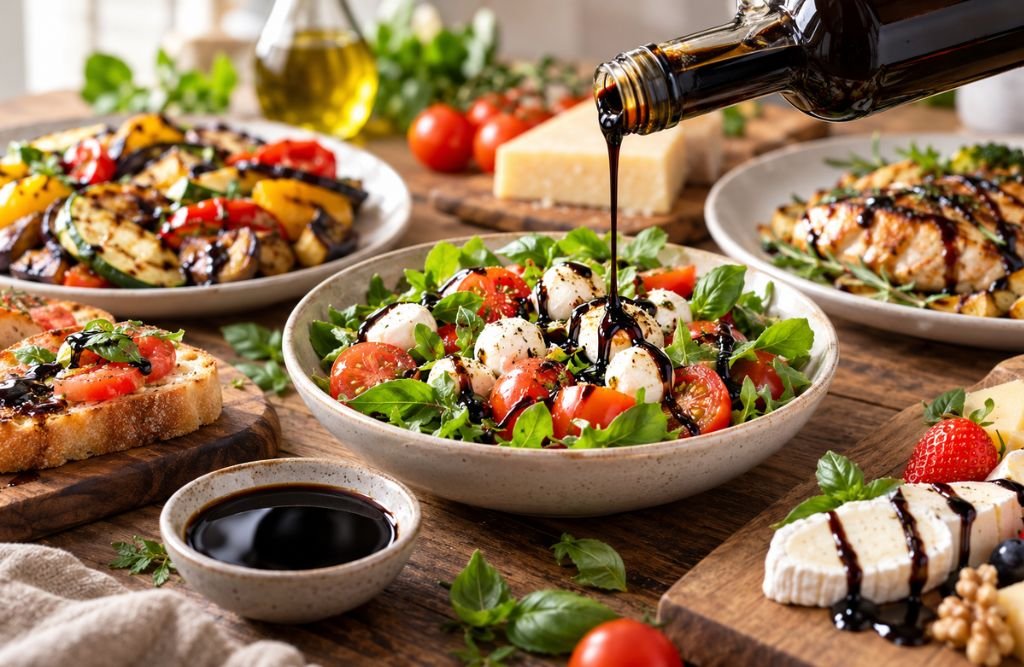
Cooking at home does not always require complicated recipes or expensive ingredients to create delicious meals. Sometimes, a simple drizzle of a flavourful sauce or dressing can transform an ordinary dish into something special. Caramelised balsamic vinegar is one such ingredient that can add depth, sweetness, and a pleasant tang to everyday meals.
Whether you enjoy fresh salads, roasted vegetables, grilled chicken, or homemade sandwiches, this versatile ingredient can bring a balanced combination of sweet and sour flavours to your plate. Its rich taste makes it suitable for both simple weekday meals and more elaborate dishes prepared for family gatherings.
If you have ever wondered how to incorporate this ingredient into your regular cooking routine, this guide explores practical uses, flavour pairings, serving suggestions, and helpful tips to get the most out of it.
What Is Caramelised Balsamic Vinegar?
Caramelised balsamic vinegar is a flavourful condiment made using balsamic vinegar that has been reduced or combined with ingredients such as sugar or other sweeteners to create a richer, sweeter taste. Depending on the product, it may have a thick, syrup-like consistency that makes it ideal for drizzling over different foods.
Traditional balsamic vinegar is known for its distinctive balance of acidity, sweetness, and complex flavour. Caramelisation or reduction can intensify these characteristics, creating a condiment that pairs particularly well with savoury dishes, fresh produce, and certain desserts.
However, recipes and ingredients vary between brands. Some products contain added sugar, grape must, or other ingredients, so checking the label is useful if you have specific dietary preferences.
1. Add a Sweet and Tangy Twist to Salads
One of the easiest ways to enjoy caramelised balsamic vinegar is by using it as a finishing touch for fresh salads. Its sweet and tangy flavour complements crisp vegetables, leafy greens, and creamy ingredients.
For example, a simple salad made with tomatoes, cucumber, lettuce, and feta cheese can become more flavourful with a light drizzle. You can also combine it with fresh mozzarella, basil, and ripe tomatoes for a classic Italian-inspired salad.
If you prefer homemade dressings, mix olive oil with a little balsamic vinegar, mustard, and black pepper. Alternatively, use the caramelised version directly as a finishing drizzle.
Quick tip: Start with a small amount and taste before adding more. A concentrated balsamic condiment can easily overpower delicate salad ingredients.
2. Enhance Roasted Vegetables
Roasted vegetables develop natural sweetness as they cook, making them an excellent match for balsamic flavours. Vegetables such as carrots, onions, bell peppers, zucchini, and Brussels sprouts work particularly well.
To prepare a simple side dish, cut your favourite vegetables into evenly sized pieces, toss them with olive oil, salt, and black pepper, and roast until tender and lightly browned.
Once the vegetables are cooked, add a small drizzle of caramelised balsamic vinegar before serving. The combination of roasted flavours and sweet acidity creates a delicious finish without requiring a complicated sauce.
For extra flavour, add fresh thyme, rosemary, or garlic while roasting. You can serve these vegetables alongside grilled meat, baked fish, pasta, or a vegetarian grain bowl.
Important: If your balsamic condiment contains sugar, avoid adding it too early at high temperatures because it may burn. Adding it near the end of cooking or immediately before serving helps preserve its flavour.
3. Make Grilled Chicken and Meat More Flavourful
Grilled chicken, pork, and beef can sometimes taste plain when seasoned with only salt and pepper. A balsamic glaze provides a simple way to introduce sweetness, acidity, and extra flavour.
For a quick chicken dish, season chicken breasts or thighs with olive oil, garlic, black pepper, and dried herbs. Grill or pan-cook them until fully cooked, then finish with a small amount of balsamic condiment.
You can also create a quick pan sauce by combining a little balsamic vinegar with chicken stock, garlic, and herbs. Allow the mixture to simmer briefly until the flavours come together.
For beef, balsamic flavours pair particularly well with grilled steak, roasted mushrooms, and caramelised onions.
If you prefer plant-based meals, try the same approach with grilled tofu, tempeh, or hearty mushroom steaks.
Remember that caramelised balsamic products are often sweeter than regular vinegar. Use them as a finishing sauce or combine them with savoury ingredients to maintain a balanced taste.
4. Upgrade Sandwiches, Wraps, and Burgers
A good sandwich depends on the balance of textures and flavours. Creamy cheese, crunchy vegetables, savoury fillings, and a slightly acidic dressing can make every bite more satisfying.
A balsamic drizzle works particularly well in sandwiches containing grilled vegetables, mozzarella, tomatoes, spinach, or roasted peppers.
For example, prepare a toasted sandwich with mozzarella, sliced tomatoes, fresh basil, and a light drizzle of balsamic glaze. The sweetness of the condiment complements the cheese, while its acidity balances the richness.
You can also add a small amount to a grilled vegetable wrap or a homemade burger topped with caramelised onions and mushrooms.
When using caramelised balsamic vinegar in sandwiches, avoid adding too much. Excess liquid can make bread soggy, particularly if you are preparing lunch in advance.
For a better result, spread the condiment thinly or drizzle it over the filling just before serving.
5. Bring More Flavour to Pasta and Pizza
Pasta and pizza are popular choices for quick family meals, and balsamic flavours can add an interesting finishing touch to both.
For pasta, try a simple combination of cherry tomatoes, garlic, olive oil, fresh basil, and Parmesan cheese. After cooking, add a few drops of balsamic glaze to introduce a sweet and tangy contrast.
It also works well with roasted vegetable pasta, particularly dishes containing mushrooms, zucchini, bell peppers, or aubergine.
For pizza, use a light drizzle over a freshly baked Margherita pizza or a topping combination featuring mozzarella, mushrooms, and roasted vegetables. Add the condiment after baking to preserve its distinctive flavour.
Avoid treating it like a standard tomato sauce. Its concentrated sweetness is best used in small quantities to complement the existing ingredients rather than replace them.
6. Experiment with Cheese and Fruit Platters
Balsamic condiments are not limited to cooked meals. They can also make simple snacks and appetisers feel more special.
Try serving a small amount alongside soft cheeses, aged Parmesan, fresh mozzarella, or creamy goat cheese. The contrast between the rich cheese and the sweet acidity of balsamic creates an appealing flavour combination.
Fresh fruits can work equally well. Strawberries, peaches, pears, and figs are particularly suitable because their natural sweetness complements balsamic flavours.
For an easy appetiser, arrange sliced pears, cheese, walnuts, and fresh leaves on a serving plate. Finish with a light drizzle of balsamic glaze.
This combination works well for casual get-togethers, festive occasions, and dinner parties when you want to serve something attractive without spending hours in the kitchen.
7. Use It in Simple Desserts
Although balsamic vinegar is commonly associated with savoury dishes, its sweet and acidic notes can complement certain desserts.
One classic pairing is fresh strawberries with a small amount of balsamic reduction. The acidity helps balance the fruit’s sweetness, creating a more complex flavour.
You can also experiment with sliced peaches, vanilla ice cream, or fresh figs. A few drops can add contrast to creamy or naturally sweet desserts.
If your caramelised balsamic product already contains added sugar, use it sparingly. The goal is to enhance the dessert’s flavour rather than make it excessively sweet.
Start with a small drizzle, taste, and adjust according to your preference.
Tips for Getting the Best Results
To enjoy this ingredient in different recipes, keep a few practical points in mind:
- Start small: Its flavour can be concentrated, so a little often goes a long way.
- Balance the sweetness: Pair it with savoury ingredients, fresh herbs, olive oil, or naturally acidic foods.
- Use it as a finishing touch: Adding it just before serving often preserves its aroma and flavour.
- Choose suitable pairings: Tomatoes, roasted vegetables, cheese, mushrooms, and fresh berries are excellent starting points.
- Check the ingredients: Different products vary in sweetness, thickness, and added ingredients.
- Store it correctly: Follow the manufacturer’s storage instructions and close the bottle securely after use.
With a little experimentation, you can discover combinations that suit your taste and cooking style.
Conclusion
Caramelised balsamic vinegar is a versatile kitchen ingredient that can make everyday meals more interesting without adding unnecessary complexity to your cooking routine. From fresh salads and roasted vegetables to grilled chicken, sandwiches, pasta, cheese platters, and desserts, there are plenty of ways to explore its sweet and tangy flavour.
The secret is to use it thoughtfully. Start with small quantities, choose ingredients that complement its acidity and sweetness, and add it at the right stage of preparation.
Whether you are preparing a quick weekday lunch or creating a meal for guests, experimenting with caramelised balsamic vinegar can help you discover new flavour combinations and bring a little extra creativity to your everyday cooking.