







Half Face Masks Australia are essential for protecting workers from dust, fumes, and airborne contaminants across many industries. Whether you work in construction, painting, mining, or manufacturing, choosing the right reusable respirator improves both safety and comfort. In this guide, you’ll discover five practical tips for finding the best half face masks in Australia.
Are you struggling to find the right half face mask for your workplace? Wondering whether that budget respirator will actually keep you safe on the job? Or perhaps you’re not quite sure what certifications to look for when shopping in Australia?
Finding the perfect half face mask isn’t just about grabbing the cheapest option off the shelf. In Australian workplaces, respiratory protection can mean the difference between good health and serious long-term damage. From construction dust to chemical fumes, our diverse work environments demand proper protection that fits well, meets safety standards, and won’t break the bank over time.
In this guide, we’ll walk you through five essential tips for choosing the best half face masks in Australia. You’ll learn how to identify your protection requirements, why fit matters more than you might think, what certifications to look for, and how to get genuine value for money. By the end, you’ll feel confident making a smart purchase that keeps you safe and comfortable all day long.
Why Choosing the Right Half Face Mask Matters in Australia
Australian workplace safety standards exist for good reason. Our unique work environments—from dusty outback mines to humid coastal construction sites—present specific respiratory hazards. A half face mask that works brilliantly in an air-conditioned factory might struggle in the harsh Queensland sun.
Safe Work Australia reports that respiratory diseases remain a significant concern across multiple industries. Conditions like silicosis, asthma, and other lung diseases can develop from inadequate protection. The right mask isn’t just a workplace requirement—it’s your personal defence against invisible threats.
Understanding Australian safety standards helps you make informed decisions. The AS/NZS 1716 standard governs respiratory protective devices in Australia and New Zealand. This certification confirms that a mask has undergone rigorous testing and meets our specific safety requirements.
1. Know Your Protection Requirements
What Are Half Face Masks Used For?
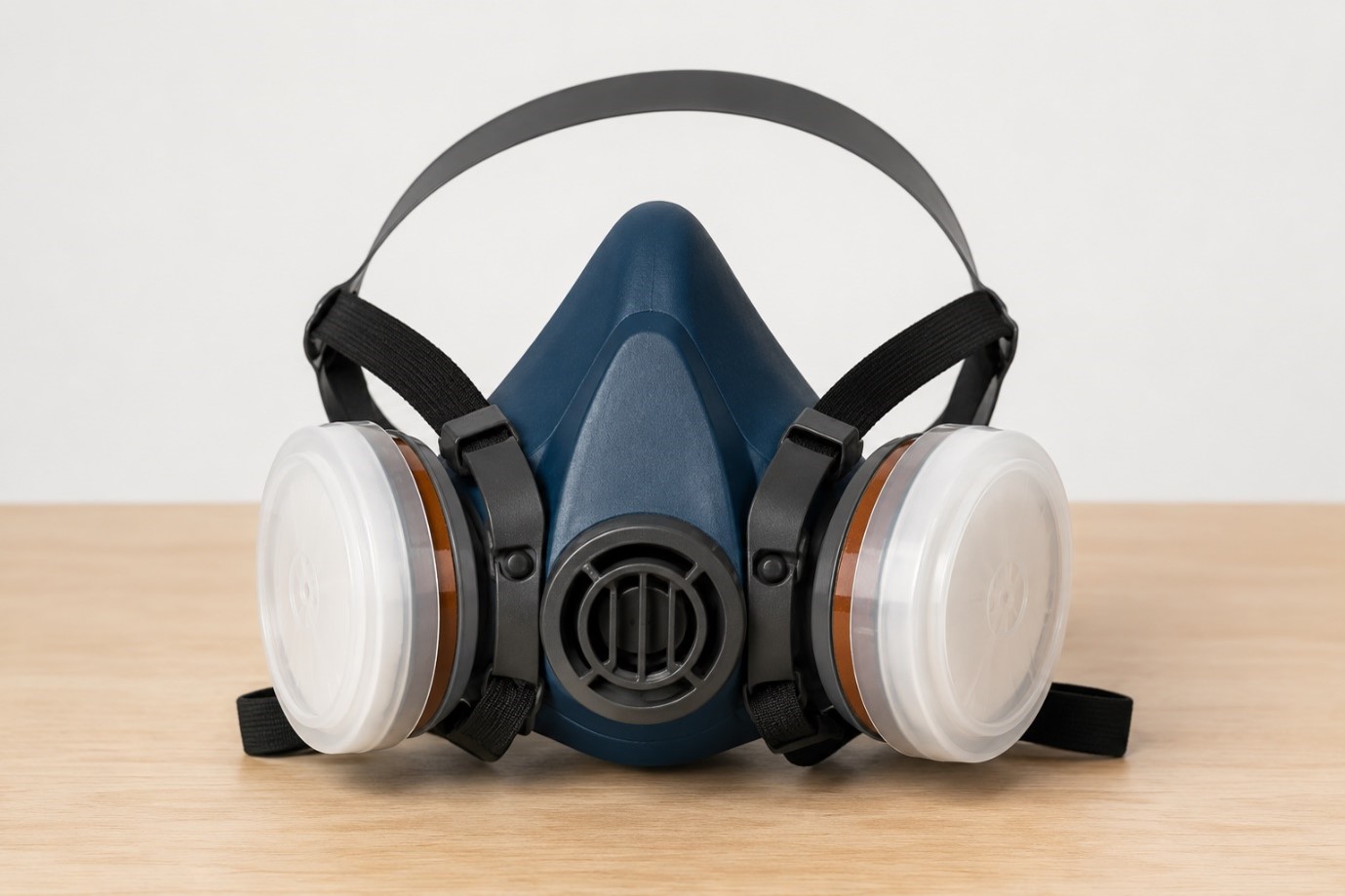
Half face masks cover your nose and mouth, creating a seal against airborne hazards. They’re commonly used in construction, painting, agricultural work, and chemical handling. Unlike full face respirators, they don’t protect your eyes—but they’re lighter, more comfortable, and easier to wear for extended periods.
These masks work with replaceable filter cartridges that target specific hazards. Some filters catch particulates like dust and fibres, while others neutralise gases and vapours. Choosing the right filter combination is just as important as selecting the mask itself.
Understanding P2 vs P3 Filters: Which Do You Need?
P2 filters capture at least 94% of airborne particles, making them suitable for most dust and mist hazards. They’re the go-to choice for general construction work, woodworking, and similar environments. P3 filters offer higher protection, capturing 99.95% of particles—essential when working with highly toxic substances.
So how do you know what respirator you need? Start by identifying the specific hazards in your workplace. Your employer should conduct a risk assessment that outlines required protection levels. When in doubt, consult Safe Work Australia guidelines or speak with a workplace safety professional.
Matching Your Mask to Australian Work Environments
Australian conditions can be particularly demanding. Extreme heat, high humidity, and fine red dust all affect mask performance. Look for masks designed with Australian conditions in mind—features like sweat-resistant materials and dust-resistant valves make a real difference.
Consider seasonal variations too. A mask that’s comfortable in Melbourne winter might become unbearable during a Darwin wet season. Some masks offer interchangeable parts or improved ventilation options that adapt to changing conditions.
2. Prioritise Proper Fit and Comfort
Why Does Fit Matter for Half Face Respirators?
A poorly fitting mask is essentially useless. If air can sneak around the edges, contaminated particles will find their way in. Even the most expensive, highest-rated mask won’t protect you if the seal isn’t airtight against your face.
Fit testing should be part of your workplace safety program. There are two main types: qualitative tests using taste or smell, and quantitative tests that measure particle leakage. Both confirm whether your chosen mask creates an adequate seal.
How Should a Half Face Mask Fit?
The mask should sit firmly against your face without feeling overly tight. You shouldn’t feel pressure points or gaps anywhere along the seal. When you inhale sharply with the filters blocked, the mask should collapse slightly against your face—this indicates a good seal.
Adjustable straps help achieve the perfect fit. Most quality masks feature four-point or six-point harness systems that distribute pressure evenly. Take time to adjust each strap properly; rushing this step compromises your protection.
Considering Facial Hair and Mask Seal
Here’s the uncomfortable truth: facial hair and half face masks don’t mix well. Beards, stubble, and even sideburns can prevent a proper seal. Australian safety standards are clear on this point—workers must be clean-shaven in areas where the mask contacts the face.
If you’re attached to your beard, you might need to consider alternative protection methods like powered air-purifying respirators (PAPRs) that use positive pressure rather than relying on a tight seal.
Features That Improve All-Day Comfort
Wearing a mask for eight hours is tough. Look for features that make extended use bearable: soft silicone face seals, lightweight construction, and well-positioned exhalation valves. Some masks include speaking diaphragms that make communication easier without removing the mask.
3. Check Australian Safety Certifications
What Safety Standards Should Half Face Masks Meet in Australia?
In Australia, respiratory protective equipment must comply with AS/NZS 1716:2012. This standard specifies requirements for design, testing, and marking. Masks meeting this standard will display the certification prominently—usually on the mask itself or its packaging.
How to Verify Authentic Safety Compliance
Unfortunately, counterfeit safety equipment exists. Always purchase from authorised Australian distributors or reputable retailers. Check that certification numbers are present and verify them with the manufacturer if you’re uncertain.
Look for clear, professional labelling. Genuine products include detailed information about filter compatibility, limitations, and proper usage. Vague or poorly translated instructions are red flags.
Are All Half Face Masks the Same Quality?
Definitely not. While all certified masks meet minimum standards, quality varies significantly. Premium masks often feature better materials, improved comfort, and longer-lasting components. The certification ensures baseline safety, but higher-quality masks typically provide better protection and durability.
4. Compare Brands and Value for Money
Best Half Face Mask Brands Available in Australia
Several reputable brands dominate the Australian market. 3M, Sundström, and Moldex are well-established names known for quality and reliability. Australian-based companies also offer excellent options designed specifically for local conditions.
Each brand has strengths. Some excel in comfort, others in filter variety, and some focus on durability. Research which brand aligns best with your specific needs rather than simply choosing the most familiar name.
How Much Should You Spend on a Quality Half Face Mask?
Expect to pay between $35 and $80 for a quality half face mask in Australia. Cheaper options exist, but they often compromise on comfort or durability. Remember, you’ll likely wear this mask for hours daily—investing in quality pays dividends.
Cheap vs Expensive Respirators: What’s the Real Difference?
Budget masks might meet minimum safety standards but often skimp on comfort features and build quality. Premium masks typically last longer, fit better, and include thoughtful design elements that make daily use more bearable.
Consider long-term costs too. A cheap mask that needs replacing every few months might cost more than a quality mask that lasts years.
Where to Buy Half Face Masks in Australia
Purchase from established safety equipment suppliers, major hardware chains, or directly from manufacturer websites. Online marketplaces can offer good deals, but verify seller credentials carefully. Authorised distributors provide genuine products and proper support.
5. Consider Maintenance and Filter Replacement
How Often Should You Replace Half Face Mask Filters?
Filter lifespan depends on usage conditions. In heavily contaminated environments, filters might need daily replacement. In lighter conditions, they could last weeks. Most manufacturers provide guidelines, but always replace filters when breathing becomes difficult or you detect breakthrough odours.
How Do You Clean a Reusable Half Face Respirator?
Clean your mask after each shift using warm water and mild soap. Avoid harsh chemicals that might damage the silicone seal. Allow the mask to air dry completely before storage. Regular cleaning extends mask life and maintains hygiene.
Calculating Long-Term Costs of Ownership
Factor in replacement filters, cleaning supplies, and eventual mask replacement when budgeting. A mask with readily available, affordable filters might prove cheaper long-term than one with expensive proprietary cartridges.
Storing Your Half Face Mask Correctly
Store your mask in a clean, dry location away from direct sunlight. A resealable bag or dedicated case prevents contamination between uses. Proper storage extends the life of both the mask and attached filters.
Choosing the Right Half Face Mask for Your Industry
Different industries present unique challenges. Construction and demolition work involves silica dust and debris—P2 or P3 particulate filters are essential. Painting and spray applications require combination filters that handle both particles and organic vapours. Agricultural and chemical handling demands filters specifically rated for the chemicals involved.
Making Your Final Decision
Choosing the best half face mask in Australia comes down to understanding your needs, prioritising fit, verifying certifications, comparing value, and planning for ongoing costs. Take time to research properly—your lungs will thank you.
Before purchasing, create a quick checklist: confirm the mask meets AS/NZS 1716, ensure appropriate filters are available, verify the mask fits your face properly, and calculate total ownership costs. Armed with this knowledge, you’re ready to make a confident, informed choice that keeps you safe on the job.
Looking for more expert advice? Visit Home Improvement About for practical guides on safety equipment, tools, and home improvement.