



Are you worried about keeping your Essendon home safe? Have you been putting off getting a security camera system because the options seem overwhelming? You’re not alone. With break-ins and package theft on the rise across Melbourne’s suburbs, more homeowners are taking matters into their own hands.
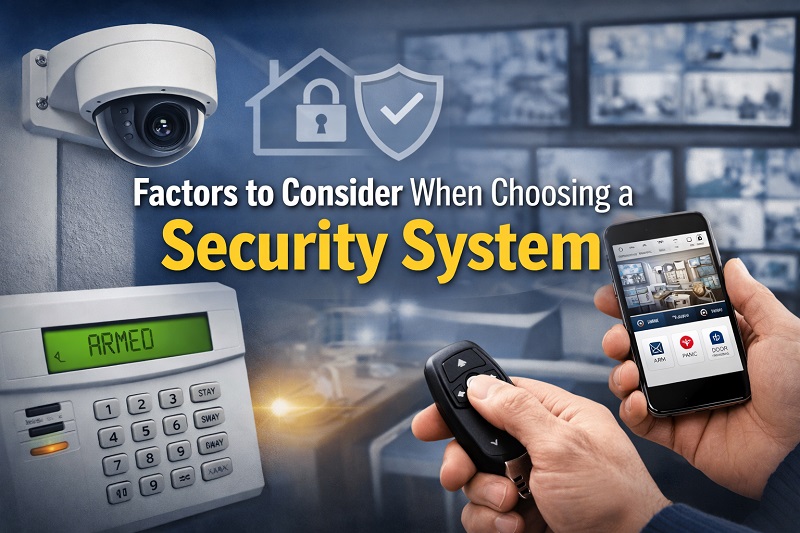
Installing security cameras at home has become one of the most effective ways to protect your property and loved ones. A good home security camera system in Australia does more than just record footage it acts as a visible deterrent and gives you peace of mind when you’re away. Whether you’re after a single camera for your front door or a complete security camera system for your whole property, understanding what features matter most will help you make the right choice.
In this guide, we’ll break down everything you need to know about choosing and installing security cameras in Essendon and greater Melbourne. From understanding CCTV camera features explained in plain English to navigating residential security camera laws in Victoria, we’ve got you covered. Plus, we’ll look at the best security camera systems for both homes and small businesses, so you can make an informed decision that suits your budget and needs.
Understanding CCTV Camera Features Explained
Resolution and Image Quality
When shopping for home security cameras in AU, resolution should be near the top of your list. Put simply, higher resolution means clearer footage. Most good security camera systems today offer at least 1080p (Full HD), but 4K cameras are becoming more affordable and provide incredibly sharp images.
Why does this matter? If something happens, you’ll want footage clear enough to identify faces or read number plates. A grainy video won’t help much when you’re trying to give police useful evidence.
Night Vision Capabilities
Melbourne’s long winter nights mean your cameras will be working in low light conditions for significant portions of the year. The best outdoor security camera options come with infrared (IR) night vision, allowing them to capture clear footage even in complete darkness.
Look for cameras with a night vision range of at least 20-30 metres. Some premium models also feature colour night vision, which can provide more detailed footage than standard black and white.
Field of View and Lens Options
A camera’s field of view determines how much area it can cover. Wide-angle lenses (120° or more) are brilliant for monitoring large spaces like backyards or driveways. Narrower lenses work better for focused areas like doorways.
Some top security camera systems offer pan-tilt-zoom (PTZ) functionality, letting you remotely adjust the camera’s view. This flexibility is particularly handy if you want to track movement across your property.
Motion Detection and Smart Alerts
Nobody wants their phone buzzing every time a cat walk past. Modern motion detection systems use AI to distinguish between people, vehicles, and animals. This means you only get alerts that matter.
Smart alerts can be customised based on zones, schedules, and sensitivity levels. The best outdoor video surveillance cameras let you draw specific detection areas, so you’re not triggered by movement on the footpath.
Two-Way Audio Communication
Two-way audio is a gamechanger. It lets you speak to visitors, delivery drivers, or potential intruders through your camera’s built-in speaker and microphone. This feature is particularly useful for front door cameras, allowing you to communicate without opening the door.
Weather Resistance Ratings for Australian Conditions
Melbourne’s weather can be unpredictable scorching summers, heavy rain, and everything in between. When choosing the best CCTV camera for outdoor use, check the IP (Ingress Protection) rating. An IP66 or higher rating means your camera can handle dust, rain, and extreme temperatures typical of Australian conditions.
What Are the Residential Security Camera Laws in Victoria?
Privacy Considerations for Recording in Victoria
Understanding residential security camera laws in Victoria is crucial before you start your CCTV camera setup. In Victoria, you’re generally allowed to install surveillance cameras on your own property, but there are important restrictions.
The Surveillance Devices Act 1999 prohibits recording private activities without consent. This means your cameras shouldn’t capture areas where people have a reasonable expectation of privacy, such as neighbours’ backyards or windows.
Where Can You Legally Install Cameras on Your Property?
You can legally position cameras to monitor your own property boundaries, entry points, and common areas. However, avoid angling cameras directly into neighbouring properties or public spaces where they might capture private conversations.
When installing surveillance cameras at home, focus on your own driveway, front entrance, backyard, and any side gates. These areas are perfectly acceptable to monitor.
Notifying Neighbours and Visitors
While not always legally required, it’s good practice to let neighbours know you’ve installed cameras especially if they might appear in the edge of your footage. Placing visible signage indicating CCTV is in operation is also recommended and can serve as an additional deterrent.
Best Security Camera Systems for Australian Homes
Top Security Camera Systems: What to Look For
When researching security camera system Australia options, consider factors like local cloud storage options, mobile app quality, and customer support availability in Australian time zones. The best systems offer a combination of reliability, ease of use, and solid warranty support.
Choice CCTV Ratings and Consumer Reviews
Choice CCTV reviews are an excellent starting point for Australian homeowners. These independent assessments evaluate cameras based on image quality, reliability, and value for money. Checking video security system reviews from actual users can also provide real-world insights into performance and longevity.
Best Outdoor Security Camera Options for Melbourne Weather
The best outdoor video surveillance cameras for Melbourne need to handle UV exposure, heavy rain, and temperature fluctuations. Brands that perform well in Australian conditions typically feature metal housings and weatherproof cable connections.
Look for cameras with wide operating temperature ranges (-20°C to 50°C) and UV-resistant casings. These will maintain performance year-round without yellowing or cracking.
Good Security Camera Systems for Every Budget
Good security camera systems don’t have to break the bank. Entry-level options starting around $100-200 per camera can provide decent protection, while premium systems offering 4K resolution and advanced AI features typically range from $300-500 per camera.
How Do I Choose Between One Security Camera or a Full System?
Deciding between one security camera or a complete system depends on your property size and security priorities. A single camera positioned at your front door can capture most visitor and delivery activity, making it a cost-effective starting point.
However, a full house security camera installation covering multiple entry points provides more comprehensive protection. Consider starting with two or three cameras front door, back entrance, and driveway then expanding as your budget allows.
Installing Security Cameras at Home: Your Options
DIY Security Camera Installation: Is It Worth It?
DIY security camera installation has become increasingly accessible, with many wireless systems designed for easy self-setup. If you’re comfortable with basic tools and following instructions, you can save significant money on labour costs.
That said, DIY installation works best for simple setups. Complex CCTV mounting scenarios involving multiple stories, extensive cabling, or integration with existing security systems often benefit from professional expertise.
Professional Home Security CCTV Installation in Melbourne
For peace of mind, professional Melbourne CCTV installation ensures cameras are optimally positioned, properly weatherproofed, and correctly configured. Local installers understand Victoria’s specific regulations and can advise on the best camera placements for your property.
Professional installation typically includes system setup, mobile app configuration, and guidance on using your new system effectively. This is particularly valuable for retail security camera systems or larger residential properties.
CCTV Mounting Best Practices
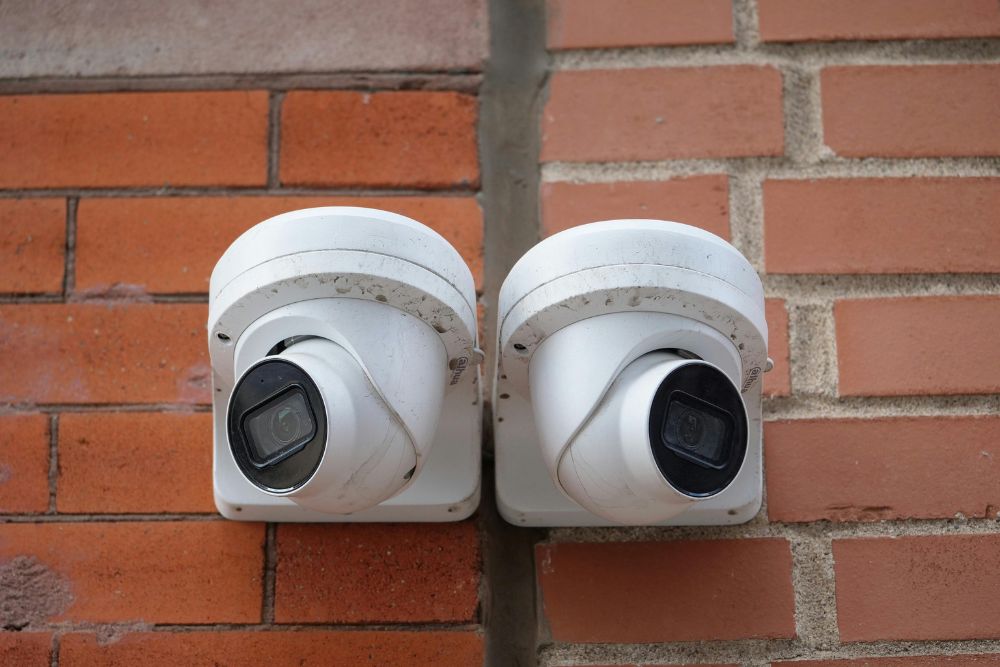
Proper CCTV mounting significantly impacts camera performance. Install cameras at least 2.5-3 metres high to prevent tampering while maintaining a useful viewing angle. Avoid pointing cameras directly at light sources, which can cause glare and reduce image quality.
For the best CCTV camera for outdoor placement, angle cameras slightly downward and ensure they’re securely fastened to handle wind and vibration.
Best CCTV Camera for Outdoor Use in Australia
Good Outdoor CCTV Camera Features
A good outdoor CCTV camera combines durability with high performance. Look for vandal-resistant designs with tamper-proof screws, especially if cameras are accessible from ground level. Built-in heating elements can prevent condensation in humid Melbourne conditions.
Best Outdoor Video Surveillance Cameras for Australian Homes
The best security cameras outdoor options for Australian homes balance weather resistance with image quality. Consider cameras with local storage options (SD card slots) as backup, ensuring footage is preserved even if your internet connection drops.
Best Security Camera Systems for Small Business and Retail
Retail Security Camera System Essentials
Best security camera systems for small business applications require additional considerations beyond residential use. Retail security camera system setups typically need wider coverage, higher frame rates for capturing fast movement, and integration with point-of-sale systems.
CCTV Camera Setup for Commercial Properties
Commercial CCTV camera setup often involves centralised recording systems (NVRs or DVRs), remote monitoring capabilities, and compliance with workplace surveillance regulations. Professional installation is strongly recommended for commercial applications to ensure proper coverage and legal compliance.
Conclusion: Securing Your Essendon Home with Confidence
Choosing the right security cameras for your Essendon home doesn’t have to be complicated. By understanding key features like resolution, night vision, and weather resistance, you can select a system that genuinely meets your needs. Remember to familiarise yourself with residential security cameras laws in Victoria to ensure your setup is both effective and legally compliant.
Whether you opt for a DIY security camera approach or professional home security CCTV installation, the investment in protecting your home is worthwhile. Start by identifying your most vulnerable entry points, set a realistic budget, and choose quality equipment that will perform reliably in Melbourne’s varied conditions.
Take the first step today your family’s safety and your peace of mind are worth it. With the right security camera system in place, you can rest easy knowing your Essendon home is well protected around the clock.