







Choosing kitchen cabinets sounds easy at first. You look at a few colors, pick a door style, and move forward. Then the real questions start. Should you choose stock or custom cabinets? Are simple doors better than detailed ones? What cabinet type works best for daily storage? A good Kitchen Cabinet Store can guide you, but it still helps to understand the basics first.
Cabinets do more than hold dishes. They shape how your kitchen looks, feels, and works every single day. If the layout feels cramped, cooking becomes harder. If the finish wears too fast, the kitchen starts looking old early. So, the smart move is to compare cabinet types, quality grades, and design details before making a final choice.
This guide breaks everything down in simple words. You will learn the main cabinet types, common quality grades, popular door styles, and practical design tips that make the buying process easier.
Cabinets Shape More Than Storage
A kitchen can look beautiful in photos but still feel frustrating in real life. Maybe the drawers are too small. Maybe the wall cabinets are hard to reach. Or maybe there is not enough space near the stove for cooking tools. These small details matter more after you start using the kitchen daily.
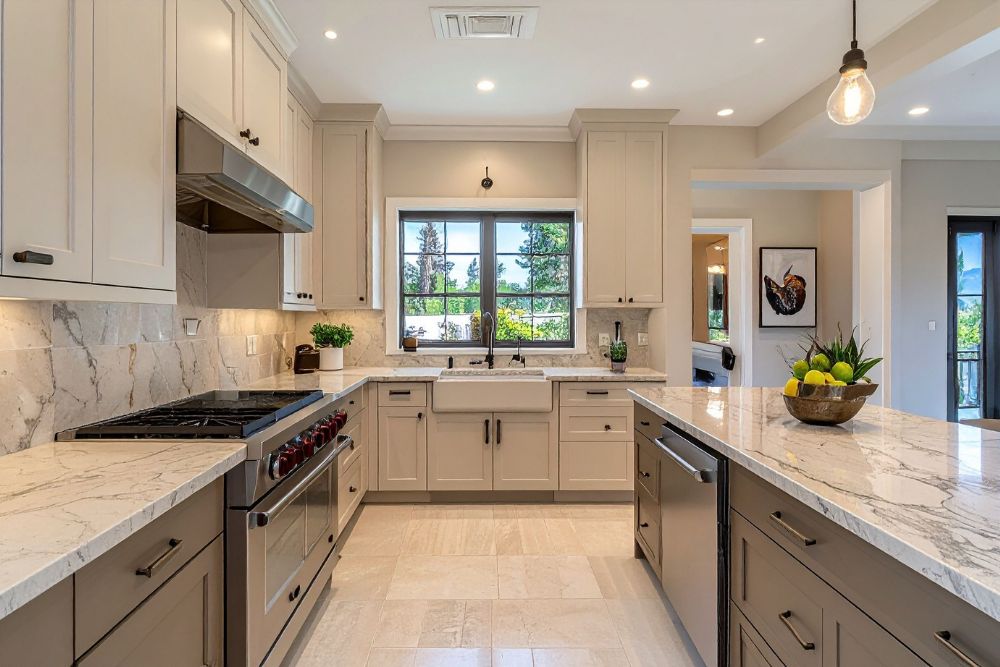
Cabinets control storage, movement, and comfort. Base cabinets support countertops and hold heavier items. Wall cabinets keep plates and glasses within reach. Tall cabinets work well for pantry storage, cleaning supplies, or built-in appliances. Together, they decide how smoothly your kitchen works.
Style also plays a big role. A detailed cabinet door can make the room feel traditional. A clean, smooth door can make the kitchen feel modern. So, instead of choosing cabinets only by color, think about how they will support your daily routine.
Why Cabinet Shopping Gets Confusing So Fast
Here is where buyers often get stuck. Two cabinets may look almost the same from the outside, but the quality can be very different. One may have stronger boxes, better hinges, and smoother drawer slides. The other may only look good at first glance.
Price also adds pressure. Some people want to save money now, while others want cabinets that last longer. Both goals make sense. However, the cheapest option may not always be the better deal if it wears out quickly.
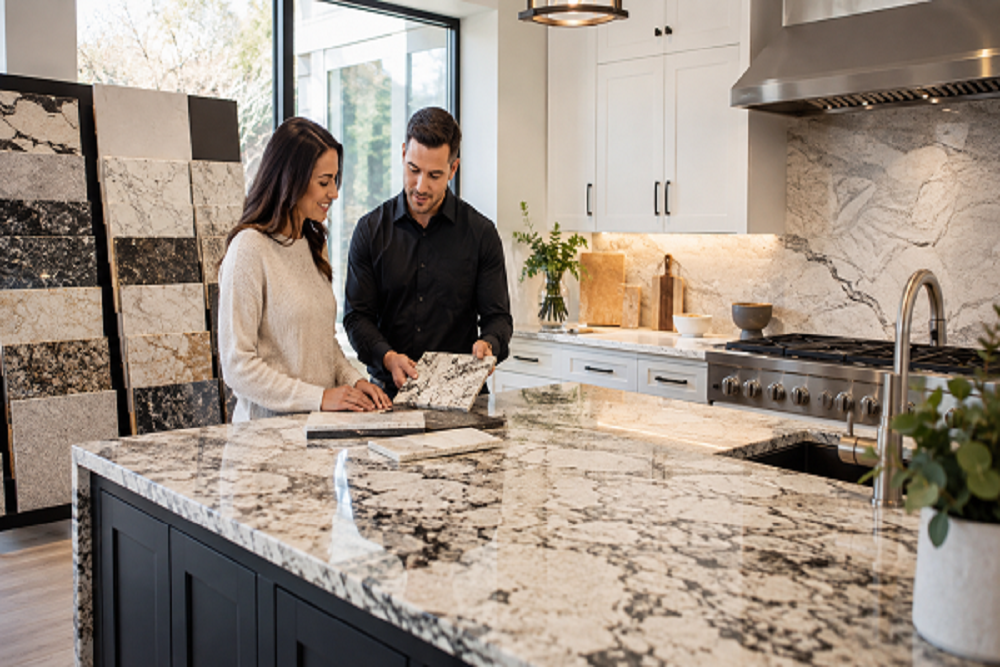
A trusted cabinet supplier or kitchen showroom can help you compare materials in person. Photos do not always show finish depth, door thickness, or drawer strength. Seeing and touching samples makes the decision much clearer.
Main Kitchen Cabinet Types Buyers Should Know
Cabinet type means the role each cabinet plays in the kitchen. Every kitchen usually needs a mix of cabinet types, not just one.
Base Cabinets
Base cabinets sit on the floor and support the countertop. They usually hold pots, pans, trays, bowls, and small appliances. Sink base cabinets are also used under kitchen sinks.
These cabinets take the most daily use. Because of that, strong construction matters here. Smooth drawers, sturdy shelves, and quality hardware can make a big difference.
Wall Cabinets
Wall cabinets are installed above the counter. They are useful for plates, cups, spices, and light kitchen items. In smaller kitchens, they help free up counter and floor space.However, too many wall cabinets can make a kitchen feel heavy. Glass doors, open shelves, or lighter colors can soften the look.
Tall Cabinets
Tall cabinets reach from the floor upward and create strong vertical storage. They are often used as pantry cabinets or oven cabinets. They can also hide cleaning tools and extra supplies.For busy families, tall cabinets can reduce clutter fast. Instead of spreading items around the kitchen, you get one clear storage zone.
Specialty Storage Cabinets
Some cabinets are made for specific needs. Pull-out trash cabinets, corner lazy Susans, spice pull-outs, tray dividers, and deep drawer bases are common examples.These upgrades may cost more, but they can make daily cooking easier. A small kitchen especially benefits from smart storage features.
Cabinet Quality Grades and What They Really Mean
Not all cabinets are built the same way. Cabinet grades usually fall into three main groups: stock, semi-custom, and custom. The right choice depends on budget, layout, and design goals.
Stock Cabinets
Stock cabinets come in standard sizes and finishes. They are usually the most budget-friendly option. They can also be quicker to get because they are already made in common measurements.Stock cabinets work well for simple kitchens with standard layouts. However, they offer fewer choices. If your kitchen has odd corners or unusual measurements, stock cabinets may leave gaps or limit your design.
Semi-Custom Cabinets
Semi-custom cabinets give you more flexibility. You can often adjust sizes, finishes, door styles, and storage features. They cost more than stock cabinets but less than full custom work.This option suits many remodels because it balances price and personalization. If you want a better fit without going fully custom, semi-custom cabinets are worth considering.
Custom Cabinets
Custom cabinets are made for your exact space. You can choose the materials, sizes, finishes, storage details, and door designs. They work well for luxury kitchens, older homes, or unique layouts.The trade-off is cost and time. Custom cabinets usually take longer and require a bigger budget. Still, they can be a smart investment when the kitchen needs a precise design.
Cabinet Door Styles That Change the Whole Kitchen Feel
Door style has a major effect on the final look. Even the same color can feel different depending on the cabinet door design.
Shaker Cabinets
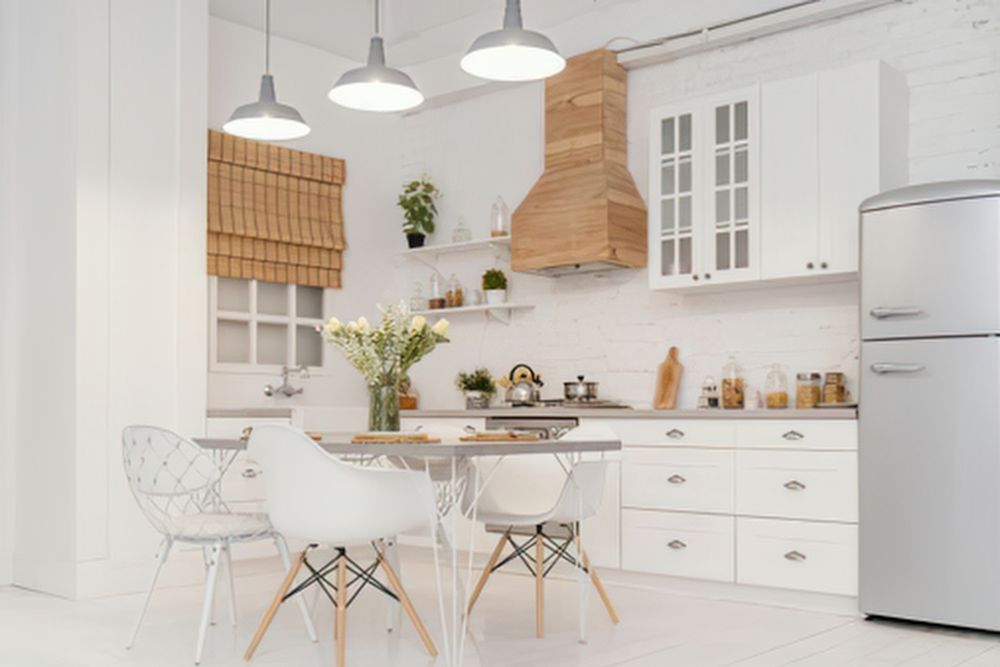
Shaker cabinets have a simple frame and recessed center panel. They work well in many kitchen styles, from farmhouse to modern. Their clean shape keeps them from feeling too trendy.They are also easy to pair with many countertops, backsplashes, and hardware finishes.
Raised Panel Cabinets
Raised panel cabinets have a more detailed center panel. They often feel formal, classic, or traditional. These cabinets can look rich in larger kitchens with decorative details.Still, they may feel too heavy in a very small kitchen. The finish and hardware should be chosen carefully.
Glass-Front Cabinets
Glass-front cabinets are great for display areas. They can show off nice dishes, glassware, or decorative pieces. They also break up long runs of solid cabinet doors.Of course, they need a little more organization. If the shelves behind the glass look messy, the kitchen can feel busy.
Flat Panel Cabinets
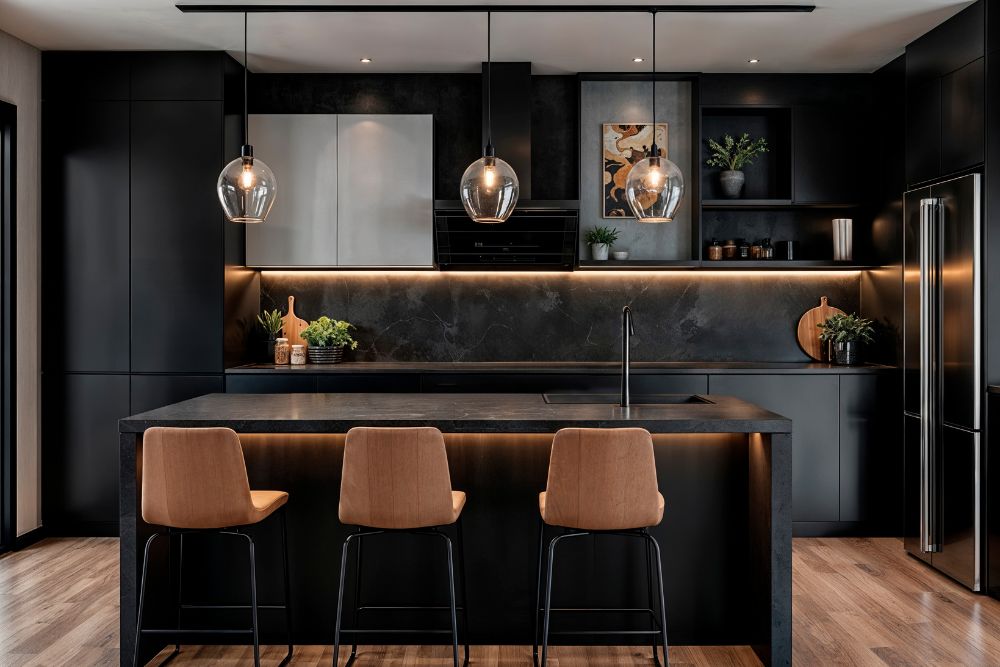
Flat panel cabinets have a smooth, simple door without raised or recessed details. They are often used in modern and minimalist kitchens. Their clean look pairs well with simple hardware, sleek countertops, and open layouts.A flat panel cabinet design can also make a small kitchen feel less crowded. Since there are fewer details, the eye moves more easily across the room. For people who like a clean and calm kitchen, modern flat cabinet doors can be a strong choice.
Smart Design Tips Before Visiting a Kitchen Cabinet Store
A little planning can save you from expensive changes later. Before visiting a kitchen cabinet showroom, think about how you actually use your kitchen. Do you cook every day? Do you need more pantry space? Are small appliances taking over your counters?
Measure your space, but do not rely only on rough numbers. Professional measurements are still important before ordering cabinets. Even a small mistake can affect installation, fillers, and countertop fit.
Also, look at cabinet samples in real lighting. A color that looks warm online may look cooler in your home. Bring flooring, countertop, or backsplash samples if you have them. This makes matching much easier.
Common Cabinet Buying Mistakes to Avoid
Choosing cabinets by color alone is a common mistake. Color matters, but construction matters too. Weak drawer slides, thin shelves, and poor hinges can become annoying after daily use.Another mistake is ignoring storage habits. A person who cooks often may need deep drawers near the stove. A family with kids may need lower storage for snacks and lunch supplies. A small household may care more about open space than extra cabinets.
Some buyers also forget about hardware. Handles and knobs affect both style and comfort. Large pulls can make drawers easier to use. Small knobs may look nice but feel less practical on heavy drawers.
How to Pick Cabinets That Look Good for Years
Trends can be fun, but cabinets are not easy to replace. So, it helps to choose a style that will still feel comfortable later. Neutral colors, natural wood tones, and clean door styles usually age well.That does not mean your kitchen has to look plain. You can add personality through backsplash tile, lighting, cabinet hardware, or a different island color. These details are easier to change than the full cabinet system.
Maintenance should also guide your decision. Glossy finishes may show fingerprints. Very dark colors can show dust. Detailed doors may take more time to clean. Think about your real lifestyle, not just the showroom display.
Conclusion
Kitchen cabinets affect storage, style, comfort, and long-term value. That is why it helps to understand cabinet types, grades, and design choices before buying. Base, wall, tall, and specialty cabinets each play a different role. Stock, semi-custom, and custom grades also offer different levels of flexibility.Door style matters too. Shaker cabinets feel flexible. Raised panel cabinets feel more classic. Glass-front cabinets add display space. Flat panel cabinets createa clean modern look.The best cabinet choice is not always the most expensive one. It is the one that fits your space, budget, and daily routine. Take your time, compare samples, and ask practical questions before making the final decision.