









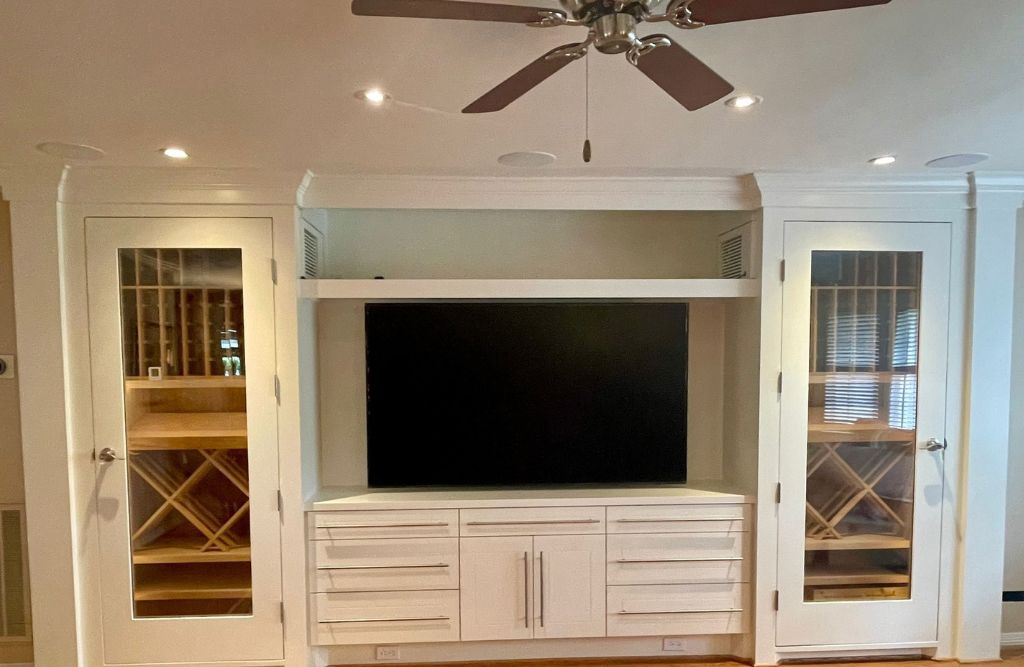
Are you planning to build a wine cellar at home? Then you’ve definitely been saving inspiration photos, comparing materials, and imagining where your collections will live. But here’s something you might not have thought about yet: how do you plan on protecting your wine collection while designing a space you’ll enjoy every day?
Today, wine cellars are moving away from hidden storage rooms and becoming standout features of the home with stunning custom wine racks. Whether tucked beneath a staircase, beside a dining room, or integrated into an open-concept living area, home cellars are blending luxury with functionality.
So, what design trends are shaping custom wine cellars in Houston? Let’s take a look.
Home Wine Cellar Trends
Heat and humidity are a part of everyday life in Texas. Thus, proper insulation, cooling, and humidity control are just as important as choosing the perfect home wine cellar design in Houston or Dallas. Here are some trends we’ve noticed recently.
Trend #1: Glass Walls That Make Your Collection Part of the Home
One of the biggest trends is designing a modern glass wine cellar that feels like an extension of your living space rather than a separate room.
Instead of solid walls, homeowners are choosing insulated glass panels that allow their collection to become part of the home’s overall design. Whether your style leans modern or industrial, glass creates a bright, open feel while turning your bottles into a visual feature.
For Houston homes, glass experts recommend insulated or low-E glass that helps reduce condensation and maintain a stable storage environment. This is especially useful in the city’s humid climate.
Trend #2: Custom Wine Racks Designed Around Your Collection
No two wine collections are the same, so it makes sense that storage shouldn’t be either.
A custom wine rack lets you plan for the bottles you already own while leaving room for the ones you’ll inevitably add later. WSET suggests that storage layouts should leave room for airflow around bottles and accommodate different bottle sizes, helping preserve the collection while making it easier to organize.
That’s why many homeowners also include dedicated storage for magnums, champagne bottles, or display shelves for special vintages.
Trend #3: Mixing Metal and Wood For a Timeless Look
Minimalist steel racks continue to be popular, but they’re increasingly being paired with custom wood wine racks made from walnut, white oak, or mahogany.
This contrast creates warmth without losing the clean lines that define modern wine cellars. It’s a design approach that works beautifully whether your home is contemporary or more traditional.
Trend #4: Lighting That Highlights Without Harming
Lighting has become one of the easiest ways to elevate a wine cellar.
Integrated LED strips beneath shelves or behind racks create a soft glow that showcases your collection without producing excess heat. Warm lighting also adds depth, making even a modest cellar feel inviting.
Trend #5: Hidden Climate Control
A wine cellar should draw attention for the right reasons.
That’s why cooling systems are increasingly concealed with cabinetry, ceilings, or nearby utility spaces. Hidden equipment creates a cleaner appearance while maintaining the ideal storage conditions of around 55°F and 60-70% relative humidity for long-term wine preservation. Those conditions are widely recognized across the wine industry as the ideal environment for long-term storage.
This is especially important in Houston, where temperature swings and humidity can affect both the wine and the cellar itself.
Design For Tomorrow, Not Just Today
One of the smartest decisions you can make is planning beyond your current collection. Ask yourself:
- Will your collection grow over the next 5 years?
- Do you want your cellar to become an entertainment feature?
- Will you collect large bottles?
- Do you prefer label-forward displays or maximum storage capacity?
Answering these questions before construction begins helps you build a cellar that grows with your lifestyle. Furthermore, avoid making these mistakes:
- Choosing aesthetics over climate performance
- Installing standard glass instead of insulated glass
- Blocking airflow between racks
- Using lighting that generates unnecessary heat
- Ignoring humidity control in Texas’ climate
Many of these issues don’t become obvious until after installation, which is why experienced wine cellar designers in Austin or Richmond typically address them during the planning stage rather than after construction begins.
Companies like Wine Cellars of Houston take this holistic approach, designing custom wine spaces that reflect each homeowner’s style while ensuring every bottle is stored in the right environment. Rather than following short-lived design fads, they focus on creating cellars that remain beautiful and practical for years.
Sleek steel glass wine cellar racks? Or custom wood shelves? Warm or cool lighting? Whatever you prefer, invest in the right design from the beginning, and you’ll be rewarded for years to come.
After all, great wine deserves more than a place to sit. It deserves a space that’s designed around it!
FAQs
What is the best material for a custom wine rack?
There isn’t a single “best” material. Steel offers a sleek, contemporary appearance, while custom wood wine racks provide warmth and timeless character. Many homeowners combine both for a balanced look.
Are glass wine cellars suitable for Houston’s climate?
Yes, provided they’re designed with insulated glass, reliable cooling, proper humidity control, and quality sealing. These features help protect your wine from Houston’s heat and humidity.
How much storage should a home wine cellar include?
It’s generally wise to plan for future growth. Many homeowners underestimate how quickly their collection expands, so designing for additional capacity can prevent costly renovations later. For best results, consult with expert wine cellar builders like Wine Cellars of Houston to design for the future of your collection.