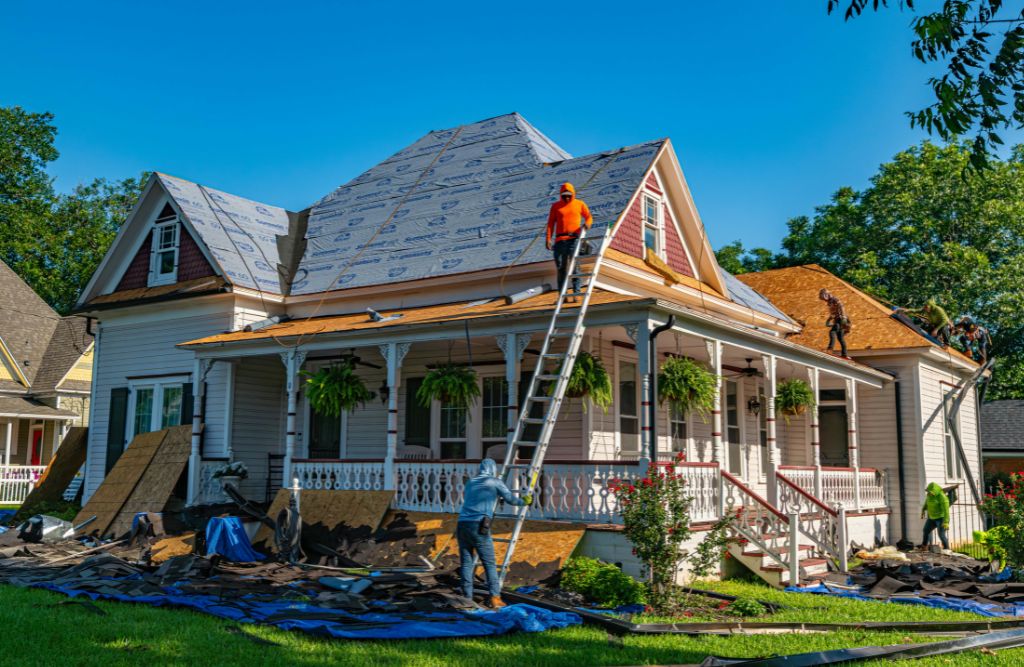










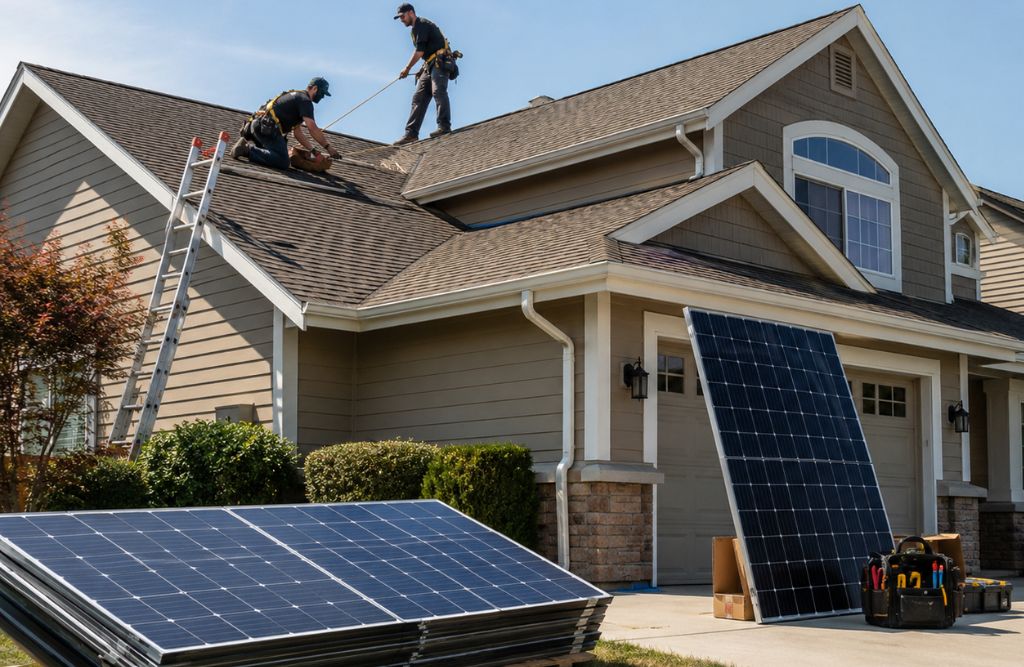
Solar panels can lower energy costs and make a property more efficient. Still, their performance depends heavily on the surface beneath them. A roof that looks fine from the driveway may hide cracked materials, weak decking, or aging flashing.Picture this: the solar crew arrives on Monday, but someone discovers soft roof decking during installation. Work stops. The schedule changes, repair costs appear, and everyone starts asking who should have spotted the problem. A roof inspection before installation could have prevented the disruption.
Before choosing a solar installation date, ask a trusted roofing company San Jose property owners rely on to evaluate the roof. A roofer can identify problems that may become difficult to reach once the panels are secured.
This guide explains how to inspect, repair, and prepare your roof for solar panels. It also covers structural strength, drainage, warranties, and contractor coordination.
Why Your Roof Needs Attention Before the Solar Crew Arrives
Solar panels may remain in place for decades. Your roof needs enough remaining service life to support that long-term investment. Installing a new solar system over materials that may soon fail creates an expensive timing problem.Suppose your roof needs replacement five years after the panels go up. The solar equipment must usually be removed before the roofing work begins. Once the new roof is complete, the mounting system and panels must be installed again. That adds labor, delays, and possible warranty complications.
Hidden Damage Can Become an Expensive Problem
Not every roof problem produces a visible ceiling stain. Moisture may slowly enter around flashing, vents, fasteners, or old repair patches. Heat and sunlight can also make roofing materials brittle without causing an immediate leak.Panels cover part of the roof and limit direct access. A small issue that was once simple to repair may become harder to reach later. Early repairs are usually less disruptive.
“It Has Never Leaked” Is Not a Roof Inspection
Property owners often use a lack of leaks as proof that the roof is healthy. Unfortunately, water does not always travel straight down. It can move along decking or framing before reaching an indoor surface.
A professional inspection looks beyond active leaks. It considers material condition, previous repairs, ventilation, drainage, and signs of trapped moisture.
Start With a Professional San Jose Roof Inspection
A proper roof assessment should happen before the solar company begins drilling or attaching mounting hardware. The roofer needs to examine every area that could affect installation, including sections where panels will not be placed.
A local roofing specialist in San Jose will usually start with the roof covering. Depending on the property, that may include shingles, tiles, metal panels, or a commercial membrane. Missing pieces, exposed fasteners, open seams, blisters, and worn surfaces should be documented.
Check the Exterior and Penetration PointsRoof penetrations deserve careful attention. Plumbing vents, skylights, chimneys, exhaust outlets, and HVAC supports all create possible entry points for water. Their flashing and seals need to remain secure after the solar system is installed. The roofer should also inspect ridges, valleys, edges, and transitions between different roof sections. These areas handle considerable water movement and can deteriorate faster than open surfaces.
Inspect the Attic and Roof Deck
An attic inspection can reveal problems that are difficult to see outside. Dark stains, damp insulation, mold-like growth, rusted fasteners, and daylight coming through gaps may signal roof damage. The decking should feel solid and dry. Soft, warped, or sagging sections need repair before mounting equipment is attached. A strong-looking roof surface cannot compensate for weak material underneath.
Decide Whether to Repair or Replace the Roof First
Here is where some property owners get stuck. A roofer finds wear, but the roof is not actively failing. Should you repair the damaged areas or replace the entire system? The answer depends on roof age, current condition, repair history, and expected remaining life. One isolated flashing problem may only require a focused repair. Widespread cracking, recurring leaks, soft decking, or deteriorated underlayment may justify replacement.
Match the Roof’s Life With the Solar System
Try to think beyond the next year or two. If the roof is already approaching the end of its useful life, covering it with solar panels may postpone an unavoidable project rather than solve anything. Replacing an older roof first can feel like a larger upfront expense. However, it may prevent the later cost of panel removal, storage, roof replacement, and solar reinstallation. Ask for written estimates for both options before deciding.
Handle Minor Repairs Before Installation
Loose materials, damaged flashing, worn sealant, and small deck problems should not be left for later. Even a limited defect can grow once installation traffic and mounting work begin. Clean Roofing can assess the roof’s condition and explain which repairs should be completed before the solar appointment. The goal is not to sell unnecessary work. It is to create a stable surface that will not require avoidable intervention soon afterward.
Make Sure the Roof Can Safely Carry the New System
Solar panels do not sit on the roofing material alone. Their weight transfers through rails, mounting feet, decking, and structural framing. Most sound roofs can support a properly designed system, but assumptions are risky. Sagging sections, moisture-damaged wood, altered framing, or long unsupported spans deserve closer attention. An older building may have also undergone renovations that changed how weight moves through the structure.
Know When Structural Review Is Needed
A roofer can identify visible warning signs, but some properties need evaluation from a qualified structural professional. This is more likely when framing damage, unusual construction, major sagging, or a heavier solar design is involved. Do not treat this step as unnecessary paperwork. Confirming load capacity protects the building, the workers, and the solar equipment.
Give Flat and Low-Slope Roofs Extra Attention
Commercial and low-slope roofs have different preparation needs. Water may drain slowly, and equipment placement can interfere with existing drainage paths. Ballasted solar systems may also distribute weight differently from attached systems. The plan should account for drains, scuppers, seams, rooftop equipment, and maintenance routes. Panels must not create areas where leaves, dirt, or standing water can collect.
Fix Drainage, Flashing, and Leak Risks Before Installation
Rainwater follows the easiest available path. If a gutter is blocked or a valley cannot drain properly, water may back up beneath roofing materials. Solar panels can also change how debris and rain move across the roof. Clear gutters, downspouts, roof drains, valleys, and scuppers before installation. Confirm that water travels away from the building without pooling near walls or foundations. A short cleaning job now can prevent a surprisingly messy leak later.
Repair Vulnerable Flashing
Flashing protects the roof around edges, walls, vents, chimneys, and surface transitions. Bent, corroded, separated, or poorly sealed flashing should be corrected first. Mounting locations also need a reliable waterproofing method. Ask how penetrations will be flashed and sealed. Surface sealant alone should not be treated as a permanent substitute for a properly designed mounting detail.
Consider San Jose’s Heat and Seasonal Rain
Long periods of sun can dry and age some roofing materials. Then seasonal rain exposes cracks and weak seals that remained unnoticed during dry weather. A solar roof preparation service should consider both conditions. Materials must tolerate heat exposure while maintaining a secure barrier when rainfall returns.
Commercial Properties Need a More Coordinated Repair Plan
Preparing a commercial roof involves more than finding space for panels. HVAC equipment, vents, drainage points, walkways, electrical components, and service zones may already occupy much of the surface. Before booking commercial roof repair services San Jose property managers should obtain a clear roof plan. It should show panel areas, repair zones, drainage routes, and safe access for future maintenance.
Protect Roofing Membranes During the Work
Single-ply and built-up roof systems can be damaged by dropped tools, sharp materials, or repeated foot traffic. Protective walk pads and controlled material staging may be necessary during installation. Ask who is responsible if the membrane is punctured or a seam is damaged. Clear responsibility reduces confusion if a leak appears after the project.
Preserve Access for Future Repairs
Solar panels should not block drains, rooftop equipment, or common service areas. Technicians need practical room to inspect seams, repair flashing, and maintain mechanical units. Experienced commercial roofing professionals in San Jose can identify spacing problems before installation begins. A little extra clearance may save hours during future maintenance.
Get the Roofer and Solar Installer Working From the Same Plan
Communication between contractors often receives less attention than the hardware. Yet a simple misunderstanding about mounting locations or warranties can create serious trouble. Ask both contractors to review the installation plan. The roofer should understand where penetrations will be made. Meanwhile, the solar installer should know about repaired sections, sensitive areas, and roof access rules.
Put Warranty Responsibilities in Writing
Find out whether the solar installation affects the existing roof warranty. Ask who covers leaks around mounting points and who should perform repairs if a problem develops. Verbal promises are difficult to confirm months later. Keep inspection reports, photographs, repair invoices, installation plans, and warranty documents together.
Schedule the Work in the Right Order
Complete roof repairs first. Allow any required materials to cure, and arrange a final review before the solar crew starts. Avoid placing both teams on the roof at the same time unless their work has been carefully coordinated. Take clear photographs before, during, and after installation. Those images create a useful condition record and may help identify the cause of future damage.
A Roof-First Plan Protects Your Solar Investment
Solar panels are a long-term addition, so the roof underneath them deserves more than a quick glance. Inspecting its surface, decking, flashing, drainage, and structural condition can uncover problems while they are still manageable. Repairing or replacing weak roofing before installation may increase the initial project cost. Still, it often reduces long-term expense and frustration. You also gain a safer mounting surface and clearer warranty protection.
Arrange a solar-ready roof assessment before confirming the final installation date. Once the roof and solar plans align, the project can move forward with far fewer surprises.
FAQs
How old is too old for a roof to support solar panels?
Age alone does not decide suitability. A newer roof may have installation damage, while an older roof may remain sound. Its condition and remaining service life matter more.
Should I replace my roof before installing solar panels?
Replacement makes sense when the roof has widespread deterioration or limited remaining life. Minor, isolated damage may only require repairs. A professional inspection will clarify the better option.
Can solar panels cause roof leaks?
Correctly installed panels should not cause leaks. Problems usually develop from poor mounting details, damaged materials, weak flashing, or unsealed penetrations.
Who checks whether my roof can hold the panels?
A roofer can assess the roofing materials and visible decking condition. A structural professional may be needed when framing strength or load capacity is uncertain.
How long does roof preparation take?
A basic inspection may be completed quickly, while repairs or replacement require more time. Schedule the assessment early so roofing work does not delay the solar installation.