








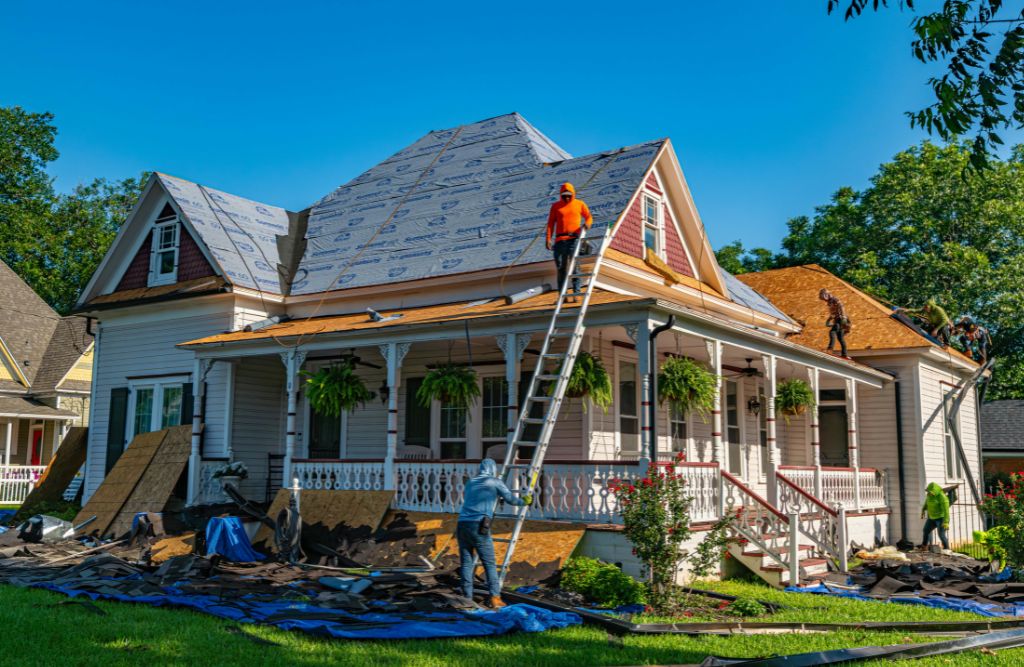
Have you noticed a few dodgy tiles on your roof lately? Perhaps you’ve spotted water stains creeping across your ceiling, or maybe your energy bills have been climbing without any clear explanation? If any of this sounds familiar, you might be wondering whether it’s time to consider re roofing your home.
In this guide, we’ll walk you through everything you need to know about re roofing. From understanding how long different materials last to spotting the warning signs that replacement is due, we’ve got you covered. You’ll also discover the best time of year to tackle this project, how much it might cost, and how to find a trusted contractor. By the end, you’ll feel confident making the right decision for your home.
Understanding Your Re Roofing Lifespan
How Long Do Different Re Roofing Materials Last?
Not all roofs are created equal, and the material sitting above your head plays a massive role in determining when you’ll need a replacement. Terracotta and concrete tiles, popular across Australian homes, typically last between 50 to 70 years with proper maintenance. Metal roofing, including Colorbond, generally offers 40 to 70 years of reliable service.
Asphalt shingles, though less common in Australia, have a shorter lifespan of around 20 to 30 years. Slate roofs are the champions of longevity, potentially lasting over a century. However, these timeframes aren’t guaranteed they depend heavily on installation quality, maintenance, and environmental factors.
Factors That Affect Roof Longevity in Australian Climates
Australia’s harsh climate puts roofs through their paces. Intense UV exposure causes materials to deteriorate faster, while coastal areas deal with salt spray that accelerates corrosion on metal roofing. Regions prone to severe storms face additional challenges from hail damage and high winds.
Key Signs Your Re Roofing Needs Replacing
Visible Exterior Warning Signs
Cracked, Curling or Missing Tiles
Take a good look at your roof from ground level. Do you notice tiles that are cracked, chipped, or sitting at odd angles? Curling edges on tiles indicate weathering and age. Missing tiles leave your home vulnerable to water ingress. While one or two damaged tiles might only need repair, widespread damage suggests replacement is the smarter option.
Sagging Rooflines and Structural Concerns
A sagging roofline is a serious red flag that demands immediate attention. This indicates structural problems, possibly with the rafters or supports beneath your roof. Water damage, termite activity, or simply age could be responsible. If you spot any dipping or waviness in your roofline, call a professional straight away.
Rust and Corrosion on Metal Roofing
For homes with metal roofs, rust spots and corrosion are clear indicators of trouble. Surface rust can sometimes be treated, but widespread corrosion compromises the roof’s integrity. Pay particular attention to areas around screws, joins, and flashings where water tends to pool.
Interior Red Flags You Shouldn’t Ignore
Water Stains and Ceiling Damage
Brown or yellow stains on your ceiling are telltale signs of roof leaks. You might also notice bubbling or peeling paint, or even damp patches on walls. These issues often appear during or shortly after rain. Don’t dismiss small stains they frequently indicate bigger problems hidden above.
Daylight Visible Through the Re-Roofing
If you can see sunlight streaming through your roof space, water can definitely get in too. Head into your attic on a sunny day and look for any light penetrating through. This visibility points to gaps, holes, or deteriorated materials that require urgent attention.
Rising Energy Bills and Poor Insulation
Has your air conditioning been working overtime? A failing roof often loses its insulating properties, making your home harder to heat and cool efficiently. If your energy bills have spiked without other explanations, your roof might be the culprit.
How Do I Know If My Re Roofing Needs to Be Replaced?
DIY Inspection Tips for Homeowners
You can perform basic roof assessments yourself, though safety must come first. Never climb onto a wet or steeply pitched roof. From the ground, use binoculars to examine tiles, flashings, and gutters. Look for obvious damage, moss growth, or rust patches.
When to Call a Professional Roofing Inspector
While DIY inspections are helpful, they have limitations. Professional inspectors can identify issues invisible to untrained eyes. Consider booking an inspection if your roof is over 20 years old, after severe weather events, or if you’ve noticed any warning signs. Most reputable companies offer free assessments, making it a worthwhile investment.
Re Roofing vs Roof Replacement: Which Do You Need?
When Repairs Are Sufficient
Minor issues don’t always require full replacement. Isolated damage a few cracked tiles, small leaks around flashings, or localised rust can often be repaired cost-effectively. If damage affects less than 30% of your roof and the underlying structure remains sound, repairs typically make sense.
When Full Re Roofing Is the Smarter Investment
However, there comes a point when patching up an old roof becomes throwing good money after bad. If your roof is approaching the end of its expected lifespan, repairs become increasingly frequent, or damage is widespread, replacement offers better long-term value. A new roof provides decades of protection, improved energy efficiency, and enhanced property value..jpg)
What Is the Best Time of Year to Replace a Roof in Australia?
Seasonal Considerations for Australian Homeowners
Timing matters when planning your re roofing project. Autumn and spring generally offer the most favourable conditions across most of Australia. These seasons bring milder temperatures and more predictable weather patterns, making working conditions safer for tradespeople and allowing materials to settle properly.
Planning Around Weather Conditions
Beyond seasons, keep an eye on weather forecasts when scheduling your project. Extended dry periods are ideal. Discuss contingency plans with your contractor reputable companies will have strategies for protecting your home if unexpected rain arrives mid-project.
How Long Does a Roof Replacement Take?
Typical Project Timelines
Most residential re roofing projects take between three to seven days, depending on size and complexity. A straightforward metal roof replacement on a single-storey home might be completed in three to four days. Larger homes or those requiring significant structural work could take up to two weeks.
What Can Delay Your Re Roofing Project
Weather is the biggest variable. Rain stops play immediately, as working on wet surfaces is dangerous. Unexpected discoveries hidden rot, asbestos materials, or structural damage can extend timelines. Material supply issues occasionally cause delays too, so confirm availability before work begins.
Choosing the Right Re Roofing Material for Your Home
Popular Roofing Options in Australia
Colorbond steel remains Australia’s favorite for its durability, low maintenance, and colour range. Terracotta tiles offer timeless aesthetics and excellent thermal performance. Concrete tiles provide affordability without sacrificing longevity. Each option has distinct advantages worth exploring based on your priorities.
Matching Materials to Your Climate and Budget
Consider your local climate when choosing materials. Coastal homes benefit from corrosion-resistant options. Bushfire-prone areas require specific BAL-rated materials. Balance upfront costs against longevity and maintenance requirements to find your ideal match.
Finding a Trusted Re Roofing Contractor
Questions to Ask Before Hiring Re Roofing
Ask about licensing, insurance, and warranties. Request references from recent projects and check online reviews. Enquire about their experience with your chosen material and ask for a detailed written quote. Reputable Re Roofing contractors welcome questions and provide transparent answers.
Red Flags to Watch Out For
Be wary of contractors demanding large upfront deposits, providing vague quotes, or pressuring you into immediate decisions. Avoid anyone without proper licensing or insurance documentation. If something feels off, trust your instincts and keep looking.
Making the Right Decision for Your Home Re Roofing
Remember, acting proactively saves money and stress long-term. A failing Re roofing only gets worse, and the associated problems water damage, mould, structural issues become exponentially more expensive to fix. Regular inspections and timely replacement protect both your home and your wallet.
Your next steps are straightforward: inspect your roof for warning signs, research local contractors, and request quotes. Whether you need repairs or full replacement, taking action now ensures your home remains the safe, comfortable haven it should be. Your roof protects everything beneath it make sure it’s up to the job.