



Open concept homes look amazing… until you try to style them.Everything is connected. The living room flows into the dining area. The kitchen sits right next to both. There are no walls to guide you. And suddenly, instead of feeling open and modern, the space feels confusing.I’ve seen this happen so often.You add furniture. You decorate each section. Still, something feels off. The space lacks structure.
That’s where rugs completely change the game.If you’ve ever browsed an online rug store, you’ve probably noticed how many options are out there. But in open concept spaces, it’s not just about picking a rug. It’s about using rugs to organize the entire layout.
In this guide, I’ll show you how to use rugs to create clear zones, improve flow, and make your open space feel balanced and intentional.
Why Open Concept Spaces Feel Messy Without Rugs
Open layouts remove walls. That’s the whole idea.
But without walls, you lose natural boundaries.
Your seating area blends into your dining space. Your dining space blends into your kitchen. Everything starts to feel like one large undefined zone.
What Goes Wrong
- Furniture looks scattered
- There is no clear focal point
- The space feels unfinished
- Movement feels awkward
This is why even well-designed open spaces can feel incomplete.
Rugs step in where walls are missing. They create structure without blocking the openness.
How Rugs Create Clear Zones Without Closing the Space
Think of rugs as invisible dividers.
They separate areas visually while keeping the space open.
Why This Works
- They define where each activity happens
- They group furniture naturally
- They improve flow without adding barriers
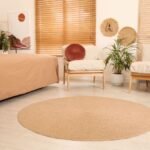
For example, a rug under your sofa tells your brain, “This is the living area.” Another rug under your dining table signals a different purpose.
This is how you turn one large room into multiple functional zones using 9×12 rugs or other sizes.
Smart Rug Ideas That Work in Open Layouts
Let’s get into practical ideas you can actually use.
Use One Rug Per Zone
Each section of your space should have its own rug.
- Living room gets one
- Dining area gets another
- Reading or workspace can have a smaller one
This creates clear boundaries without clutter.
Go Bigger for the Main Area
Your main seating area needs a strong foundation.
This is where 9×12 rugs work really well. They anchor large furniture and make the space feel grounded.
Keep Consistency Across Rugs
Rugs don’t need to match exactly. But they should feel connected.
Use similar tones, textures, or patterns so everything flows together.
Choosing the Right Rugs From an Online Rug Store
Shopping online gives you more options, but it also requires smarter decisions.
Focus on Size First
Before looking at designs, decide your size.
Measure each zone and choose rugs that fit your layout properly.
Think About Daily Use
Different areas have different needs.
- Living areas need comfort
- Dining areas need easy cleaning
- Entry spaces need durability
Choosing the right material makes a big difference.
Look for Coordinated Collections
Many people find it easier to explore options from places like Rug Gallery, where rugs are designed to work together across different spaces.
This saves time and avoids mismatched styles.
Common Rug Mistakes in Open Concept Spaces
Even good rugs can fail if used the wrong way.
Using One Huge Rug for Everything
This removes the benefit of zoning.
Instead of defining areas, it makes the whole space feel flat.
Choosing Rugs That Clash
Different styles can work, but random combinations create chaos.
Always look for a visual connection between rugs.
Ignoring Furniture Placement
A rug should connect furniture, not sit awkwardly under it.
If your furniture floats outside the rug, the layout breaks.
Practical Tips to Make Your Space Feel Designed
A few small adjustments can make your space look professionally styled.
Align Rugs With Furniture
Each rug should match the shape and position of its furniture group.
This keeps everything looking organized.
Maintain Clear Walkways
Leave enough space between rugs for easy movement.
This improves comfort and flow.
Use Contrast Wisely
If your living room rug is bold, keep your dining rug more subtle.
Balance prevents visual overload.
Real-Life Setup That Shows What Works
Let me share a simple example.
An open concept space had a sofa, dining table, and kitchen island. Everything was placed correctly, but the room felt confusing.
We added two rugs.
- A large rug under the seating area
- A second rug under the dining table
Both rugs had similar tones but different patterns.
The result was immediate.
The space felt organized. Each area had its own identity. Yet the room still felt open and connected.
That’s the power of using rugs the right way.
How to Balance Open Feel With Defined Spaces
This is where many people struggle.
They want structure, but they don’t want the space to feel divided.
Stick to a Unified Color Story
Choose rugs that share similar tones. This keeps the space cohesive.
Avoid Overcrowding
You don’t need a rug in every corner. Focus on key zones.
Let the Space Breathe
Leave visible floor space between rugs. This keeps the layout light and open.
Many homeowners find inspiration by browsing collections at Rug Gallery, where layouts are designed to maintain this balance.
Conclusion
Open concept living doesn’t have to feel messy.With the right approach, you can turn one large space into multiple functional areas without adding walls.Rugs make this possible.They define zones, improve flow, and bring structure to your layout.When browsing an Online rug store, focus on how each rug will work in your space, not just how it looks.And remember, well-placed 9×12 rugs can completely transform your main living area by grounding your furniture and creating balance.
FAQs
How many rugs should I use in an open concept space?
Most spaces work well with two to three rugs. Each rug should define a specific area like seating or dining.
Should rugs in the same space match?
They don’t need to match exactly. But they should share similar colors or styles to keep the space cohesive.
Can rugs make an open space feel smaller?
Not if used correctly. Proper placement actually makes the space feel more organized and visually larger.