









If you’ve driven past a tradie’s ute lately, chances are you’ve noticed something: fewer rusty steel trays, more clean, silver aluminium ones. That’s not a coincidence or a passing trend. Over the last decade, aluminium ute trays have quietly become the default choice for anyone who’s serious about getting the most out of their vehicle — whether that’s a builder hauling tools five days a week or a weekend camper heading bush with a canopy on the back.
I’ve spent enough time around workshops and ute owners to know that the “aluminium vs steel” conversation comes up almost every time someone’s shopping for a new tray. So let’s break down what actually matters, without the sales pitch.
What Exactly Is an Aluminium Ute Tray?
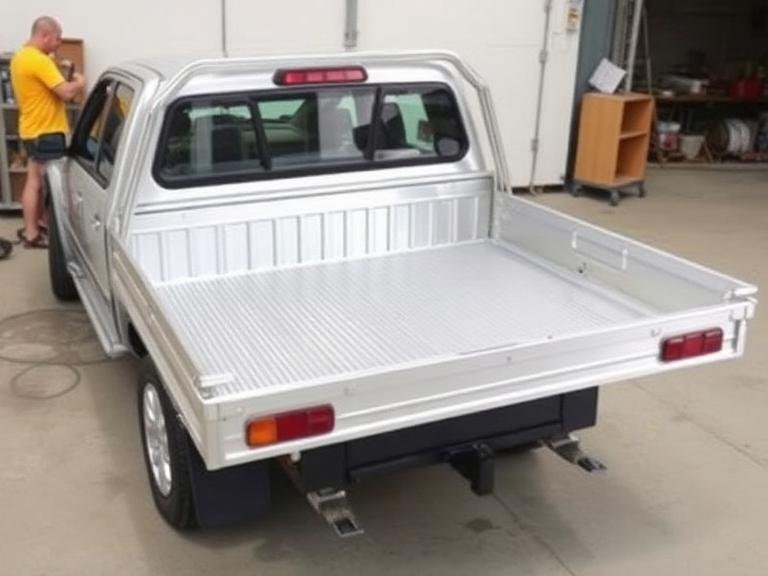
At its simplest, a ute tray is the load-carrying deck that replaces your factory tub. Instead of the enclosed plastic or steel tub your ute came with, a tray gives you a flat, open platform — usually with a headboard at the front and sometimes drop-sides or a checker-plate floor.
An aluminium tray does the same job, just built from marine-grade or structural-grade aluminium instead of steel. Think of it like the difference between a steel toolbox and an aluminium flight case — same purpose, very different weight and long-term durability.
Why Aluminium Over Steel? The Honest Breakdown
1. Weight Savings That Actually Matter
This is the big one. Aluminium is roughly a third the weight of steel for a comparable structure. On a dual cab ute, that can mean anywhere from 80kg to 150kg less dead weight compared to a steel tray of the same size.
Why does that matter? Two words: payload and fuel. Every kilogram your tray weighs is a kilogram you can’t legally carry in gear, tools, or materials. For tradies working close to their GVM (Gross Vehicle Mass) limits, that saved weight can be the difference between being legal and being pulled over with an overloaded vehicle. It also means a bit less strain on your suspension, brakes, and fuel economy over the life of the vehicle.
2. Corrosion Resistance
Steel rusts. It’s not a matter of if, just when — especially if you’re near the coast, driving through wet job sites, or hauling anything that holds moisture like sand or mulch. Aluminium naturally forms a protective oxide layer and doesn’t rust the same way. It can still corrode under the wrong conditions (more on that below), but for most everyday use, it holds up far better over 10-15 years than untreated or poorly coated steel.
3. Lower Maintenance Over Time
A steel tray usually needs re-painting or touch-ups every few years to keep rust at bay, particularly at weld points and edges where the factory coating wears thin. Aluminium trays, especially those left in a raw or powder-coated finish, need very little upkeep. A wash down and the occasional check of fittings is usually enough.
4. Better Resale Value
Ute buyers who know their trays will often pay a premium for a well-built aluminium tray still in good condition, simply because they know it hasn’t been quietly rusting away underneath the paint.
Where Steel Still Has an Edge
To keep this balanced — because a good tradesperson never oversells a product — steel isn’t obsolete. It’s generally cheaper upfront, and in high-impact, heavy-abuse environments (think mine sites or scrap handling), steel’s toughness and repairability with a standard welder can be an advantage. Aluminium welding requires specific equipment and skill, so if your tray takes a serious hit out in the field, steel might be easier to patch on the spot.
Types of Aluminium Ute Trays
Not all trays are built the same, and the right one depends on how you actually use your ute.
- Flat deck trays – A simple, open platform. Great for tradies who need to slide long materials on and off easily, like pipes, timber, or ladders.
- Trays with drop sides – Hinged sides that fold down, useful for loading bulky items from the side rather than lifting them over a high edge.
- Tool boxes built-in – Many aluminium trays now come with underbody or headboard-integrated toolboxes, which is a smart way to use dead space without adding a separate unit.
- Canopy-compatible trays – Designed with mounting points ready for a canopy, popular with campers, tradies who need lockable storage, and anyone converting their ute into a mobile workstation.
What to Actually Check Before Buying
A lot of ute owners get sold on “aluminium” as a buzzword without checking the details that actually determine quality. Here’s what I’d look at:
Grade of aluminium – Look for marine-grade (5000 series) or structural-grade (6000 series) aluminium rather than generic sheet aluminium. This affects both strength and corrosion resistance.
Weld quality – Aluminium welding is a different skill set to steel welding. Poor welds are one of the most common failure points on cheap trays. Ask who’s doing the welding and whether it’s done in-house or outsourced.
Floor thickness and bracing – A thin floor might look fine in the showroom but flex and crack under repeated heavy loads. Check the gauge thickness and how the tray is braced underneath.
Compliance with your ute’s GVM and load ratings – A heavier-duty tray on a lighter ute (or vice versa) can throw off your vehicle’s balance and legal load rating. This is worth confirming with whoever fits the tray.
Galvanic corrosion risk – This is the one people forget. If steel bolts, brackets, or a steel chassis mount touch bare aluminium without proper isolation (like nylon washers or dielectric grease), you can actually get corrosion at those contact points, even though the aluminium itself resists rust. A well-built tray accounts for this in the design.
Maintenance Tips to Get the Most Out of Your Tray
- Rinse off mud, salt, and chemical residue regularly, especially if you’re near the coast or working around fertilisers and cement.
- Check tie-down points and hinges every few months for wear.
- Keep an eye on any steel fittings (bolts, brackets) for early signs of galvanic corrosion where they meet the aluminium.
- Avoid dragging heavy or sharp-edged loads directly across the deck — a rubber mat or load liner protects the surface and extends its life significantly.
Is It Worth the Extra Cost?
Aluminium trays typically cost more upfront than steel, sometimes by 15-30% depending on size and features. Whether that’s “worth it” really comes down to how you use the ute.
If you’re doing daily tool runs, carrying materials near your payload limit, or planning to keep the vehicle for a long time, the weight savings, low maintenance, and longevity usually pay for themselves. If it’s an occasional-use vehicle that won’t see much abuse, a quality steel tray might be the more cost-effective option.
Final Thoughts
There’s a reason aluminium ute trays have gone from a niche upgrade to something close to an industry standard. They’re lighter, they last longer without rusting out, and they hold their value better over time — but like anything, the quality of the build matters more than the material alone. A poorly welded aluminium tray will let you down just as easily as a poorly built steel one.
If you’re in the market, take the time to ask about the aluminium grade, who does the welding, and how the tray handles the everyday grind of your specific job or lifestyle. That’s the difference between a tray that lasts a couple of years and one that’s still doing its job well over a decade later.
If you’re based in the ACT and weighing up your options locally, it’s worth having a look at Aluminium Ute Trays in Canberra, where you can compare tray designs, load ratings, and fitting options with a local supplier before making a decision.
Frequently Asked Questions
Do aluminium ute trays rust? Not in the way steel does. Aluminium forms a natural oxide layer that resists corrosion, though it can still corrode under certain conditions, particularly where untreated steel fittings make contact with bare aluminium.
How much lighter is an aluminium tray compared to steel? It varies by design, but most aluminium trays are around 30-40% lighter than a comparable steel tray, which can free up significant payload capacity.
Can aluminium ute trays be repaired if damaged? Yes, but it requires a welder experienced specifically with aluminium, as the welding process and equipment differ from steel repairs.
Are aluminium trays legal for all ute models? Most reputable tray manufacturers build to suit specific make and model requirements, including GVM and load ratings. Always confirm compliance with the supplier or an authorised fitter before installation.